Profile
John Doe
Explorer
3200 Points
Upcoming Trips
- 5 May - Mount Batur
- 15 May - Uluwatu Show
- 28 May - Rice Terraces
Explorer
3200 Points
 All Categories
312
All Categories
312
 Adventure
2
Art Gallery
6
Attraction
1
Ayurveda Retreat
1
Ayurvedic Center
1
Adventure
2
Art Gallery
6
Attraction
1
Ayurveda Retreat
1
Ayurvedic Center
1
 Beach
40
Castle
3
Beach
40
Castle
3
 Cave Temple
1
Church
4
Cultural Landmark
1
Cave Temple
1
Church
4
Cultural Landmark
1
 Entertainment
1
Forests & Parks
3
Entertainment
1
Forests & Parks
3
 Fort
10
Haunted Location
1
Historic Landmarks
3
Historic Place
1
Fort
10
Haunted Location
1
Historic Landmarks
3
Historic Place
1
 Historical Monuments
4
Historical Monuments
4
 Historical Site
4
Historical Site
4
 Lake
4
Lake
4
 Luxury Hotel
1
Monastery
1
Monument
3
Luxury Hotel
1
Monastery
1
Monument
3
 Museum
4
Museum
4
 National Park
5
National Park Attraction
1
Natural Landmark
1
Natural Wonder
1
Nature & Parks
5
Nature & Wildlife
4
Nature Park
1
National Park
5
National Park Attraction
1
Natural Landmark
1
Natural Wonder
1
Nature & Parks
5
Nature & Wildlife
4
Nature Park
1
 Park
2
Park
2
 Parks & Gardens
1
Religious Places
9
Religious Sites
3
Parks & Gardens
1
Religious Places
9
Religious Sites
3
 Resort
5
Resorts
1
Temple
91
Temples
5
Resort
5
Resorts
1
Temple
91
Temples
5
 Waterfall
27
Wellness & Healing
1
Wellness & Retreats
2
Wellness Center
6
Wellness Retreat
3
Waterfall
27
Wellness & Healing
1
Wellness & Retreats
2
Wellness Center
6
Wellness Retreat
3
 Wildlife Sanctuary
2
Temple
Wildlife Sanctuary
2
Temple

Taraporewala Aquarium is one of Mumbai's most beloved aquatic landmarks and stands as India's oldest public aquarium. Situated along the scenic promenade of Marine Drive, this popular attraction offers visitors a mesmerizing window into aquatic ecosystems from fresh waters to deep seas.The aquarium houses hundreds of species of marine, freshwater, and brackish-water fishes. Highlights include exotic specimens like piranhas, butterflyfish, sea turtles, stingrays, and vibrant coral reef dwellers. The facility features a modern glass tunnel at the entrance where visitors can walk beneath swimming marine species, creating an immersive undersea experience.It serves as both an entertaining family destination and an educational hub for marine biology enthusiasts, school tours, and tourists visiting South Mumbai.

Rising dramatically from the waters of Mumbai Harbour, the Elephanta Caves on Gharapuri Island are a testament to ancient Indian rock-cut art and religious devotion. Dating predominantly between the 5th and 8th centuries CE, these cavernous shrines carved directly into basalt rock cliffs celebrate the multi-faceted cosmic roles of Lord Shiva.The main cavern, Cave 1 (or the Great Cave), spans over 39 meters from front to back. As you walk inside, the ambient light dims, revealing gigantic carved relief panels depicting classic Hindu mythology. The crowning masterpiece is the 20-foot-high Trimurti (Sadashiva) sculpture, showcasing three faces of Shiva: the Creator (Vamadeva), the Preserver (Tatpurusha), and the Destroyer (Aghora).Beyond Cave 1, visitors can explore four smaller rock-cut shrines on the western hill and two stupa-related caves on the eastern hill. Traveling here requires a scenic hour-long ferry ride from the iconic Gateway of India, making it both a cultural pilgrimage and a memorable coastal escape.

Tucked away in the dense residential neighborhood of Jogeshwari East, the Jogeshwari Caves stand as one of Mumbai's earliest rock-cut cave temple shrines. Dating back to the 6th century CE, this extraordinary site marks a crucial transition period in Indian rock-cut architecture—shifting from Mahayana Buddhist rock architecture to early Brahmanical (Hindu) cave iconography.The cavernous temple complex is carved into a basaltic rock outcrop. Visitors descend a flight of stairs into a long, dramatic rock-cut cavern leading to a open courtyard and a grand central pillared hall (Mandapa). At the heart of the complex lies the main shrine dedicated to Goddess Jogeshwari (a form of Durga) and a Shivalinga, which remains an active place of worship for the local community.Despite urbanization around its perimeter, entering the cool, shadowed halls of the caves offers a fascinating glimpse into ancient craftsmanship, intricate pillar carvings, and historic rock architecture preserved within modern Mumbai.

The Babulnath Temple, perched atop a small hillock overlooking the Arabian Sea in South Mumbai, is a revered ancient shrine dedicated to Lord Shiva. It stands as one of the oldest temples in the city, offering devotees a spiritual sanctuary amidst the bustling urban landscape. The temple's architecture, primarily built in the Nagara style, is a sight to behold, with intricate carvings and a serene ambiance that transports visitors away from the city's chaos. Devotees can reach the main shrine either by ascending a flight of stairs, which offers a traditional pilgrimage experience, or by utilizing the modern elevator facility, making it accessible to all. Once at the top, the panoramic views of the Arabian Sea, Marine Drive, and the city skyline are breathtaking, especially during sunrise or sunset. The central deity, a Shiva Lingam, is believed to be a 'Swayambhu' or self-manifested idol, adding to its spiritual significance. The temple complex also houses shrines dedicated to other deities, including Parvati, Ganesh, and Hanuman. Visiting Babulnath Temple is not just a religious journey but also an experience of tranquility and cultural immersion. The air is often filled with the chanting of mantras and the fragrance of incense, creating a deeply spiritual atmosphere. It serves as a vital cultural landmark and a place of solace for thousands of devotees daily.
Discover the Divine Sanctuary of Mahalaxmi TemplePerched right on the edge of the Arabian Sea along Bhulabhai Desai Road, the Mahalaxmi Temple stands as one of the most prominent and spiritually charged landmarks in Mumbai. Dedicated to Goddess Mahalaxmi—the Hindu deity of wealth, prosperity, and spiritual grace—the temple draws thousands of devotees and curious travelers every single day.As you step inside the temple complex, the sweet fragrance of fresh marigolds and incense fills the sea-breeze air. The main sanctum sanctorum houses three magnificent idols adorned with gold bangles, pearl necklaces, and exquisite flower garlands: Goddess Mahalaxmi in the center, flanked by Goddess Mahakali on the left and Goddess Mahasaraswati on the right. The serenity of the temple offers a soothing sanctuary from the bustling energy of the maximum city.During the grand festival of Navratri, the temple transforms into a glowing beacon of celebration. Vibrant light displays adorn the pathways, continuous chanting echoes through the halls, and long queues of pilgrims gather to seek blessings of prosperity and peace.

p>Nestled in the bustling heart of Old Mumbai amidst the vibrant lanes of Zaveri Bazaar, the Mumba Devi Temple stands as a powerful spiritual anchor and an essential piece of the city's living heritage. Dedicated to Goddess Mumba, an incarnation of Shakti, this sacred shrine has drawn millions of devotees, merchants, and travelers seeking blessings for centuries.The deity of Mumbadevi is beautifully crafted out of black stone and adorned with traditional Maharashtrian attire, jewels, and a nose ring. Adjacent to the main idol, worshipers also pay respects to Annapurna and Jagdamba. The ambience inside the temple complex is filled with the fragrant aroma of incense, the rhythmic ringing of bells, and the chanting of ancient mantras, providing a serene sanctuary amidst the energetic frenzy of the surrounding markets.Visiting Mumba Devi Temple offers a deep dive into Mumbai's roots. It connects modern visitors with the ancient Koli fisherman community who first worshiped the goddess as their protector against the unpredictable seas. Today, people from all walks of life—from local street vendors to prominent industrialists—come to offer flowers, sweets, and prayers before beginning new endeavors.

Tucked away near the top of Malabar Hill—one of Mumbai’s most affluent neighborhoods—lies the Walkeshwar Temple complex, a tranquil spiritual oasis that feels centuries removed from the city's relentless hustle. Dedicated to Lord Shiva, the temple sits adjacent to the historic Banganga Tank, a rectangular water body surrounded by stone steps (ghats), smaller shrines, and heritage structures.Visiting Walkeshwar Temple offers a rare glimpse into Mumbai’s ancient origins, long before it became a bustling metropolis of seven islands. As you descend the narrow stone alleys leading down to the water tank, the atmosphere transforms dramatically. The sound of speeding traffic gives way to temple bells, the soft rustle of pigeons, and the quiet rhythmic chanting of priests performing daily rituals along the steps.What to Experience at WalkeshwarThe Sacred Banganga Tank: The water inside this freshwater tank is believed to originate from the holy river Ganges. Local devotees perform ritual ablutions, pray, and feed birds along the stone steps.Classical Spiritual Vibe: The temple precincts retain a traditional Maharashtrian temple town ambiance. It was historically a prominent venue for classical music performances during the annual Banganga Music Festival.Architecture & Shrines: Beyond the main Shiva shrine housing the sacred Linga, the complex features stone idols, intricate carvings, and satellite shrines dedicated to Lord Rama, Hanuman, and various deities of the Hindu pantheon.
Situated near the iconic Girgaon Chowpatty in South Mumbai, Babulnath Temple is a magnificent ancient shrine dedicated to Lord Shiva in the form of the Lord of the Babul tree (Acacia tree). Perched nearly 1,000 feet above sea level on a small hillock, this sacred abode provides a peaceful refuge from the energetic pulse of Mumbai.Devotees ascend around 110 steps to reach the main sanctum, though an elevator facility is also available for elderly visitors and those needing assistance. The temple premises exude profound peace, especially during the early morning aarti when the chanting of hymns resonates through the carved marble pillars and tranquil courtyards.Key Highlights: Exquisite marble carvings, peaceful hillock views, and vibrant celebrations during Mahashivratri and Shravan month.Architecture: Built in traditional South Indian and Gujarati architectural styles with intricate carvings portraying mythological events and celestial beings.
Located just a short walk away from the bustling shores of Girgaon Chowpatty beach in South Mumbai, the ISKCON Chowpatty Temple (officially known as Sri Sri Radha Gopinath Mandir) offers a tranquil haven of devotion amidst the frenetic energy of the city. Established under the guidance of His Holiness Radhanath Swami and the International Society for Krishna Consciousness (ISKCON), this temple is widely loved for its intimate, warm atmosphere and deeply engaging spiritual services.Upon entering the complex, visitors are greeted by intricate carved woodwork, marble alters, and meticulously crafted floral decor surrounding the presideing deities: Sri Sri Radha Gopinath, alongside Sri Sri Gaura-Nitai and Sri Sri Gopalji. The temple places strong emphasis on authentic Vaishnava traditions, regular discourse on the Bhagavad-gita and Srimad-Bhagavatam, and community service initiatives such as mid-day meal programs and eco-friendly rural projects.Whether you are attending the soul-stirring morning Mangala Aarti, partaking in the vibrant evening kirtans, or savoring pure vegetarian meals at the Govinda's restaurant, ISKCON Chowpatty delivers an enriching cultural and spiritual experience for seekers of all backgrounds.
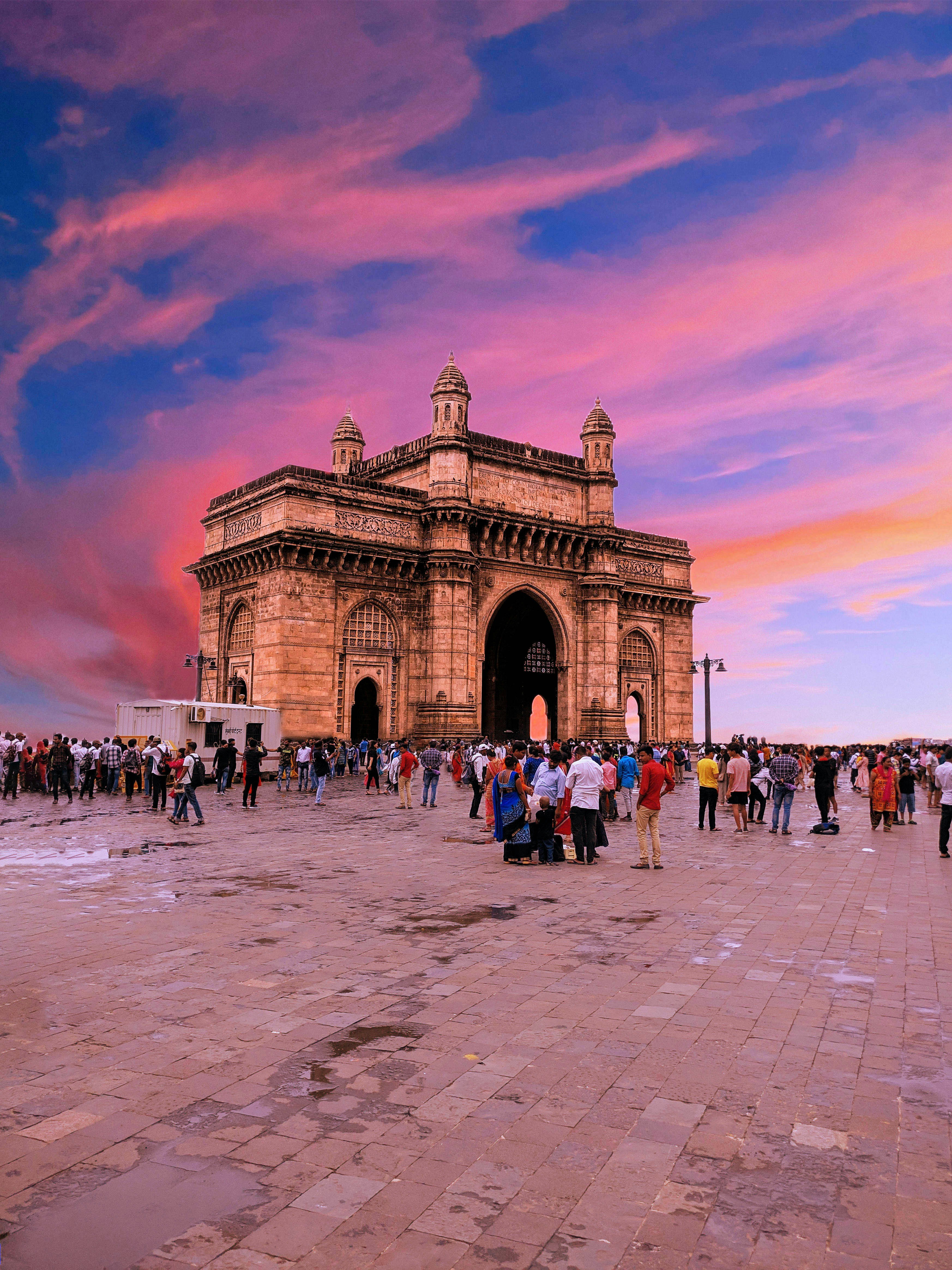
Perched gracefully atop the elite neighborhood of Malabar Hill, Kamala Nehru Park is one of Mumbai's most beloved green spaces. Spanning over 4,000 square meters, this lush sanctuary offers visitors a tranquil escape from the bustling city rhythm below. The park is especially renowned for its whimsical giant shoe structure, affectionately known as the Old Woman's Shoe, inspired by the classic nursery rhyme 'There was an Old Woman Who Lived in a Shoe'. Children can climb up inside the shoe structure to catch a cheerful view of the surrounding garden.Beyond its playful charm, Kamala Nehru Park serves as one of the best vantage points in Mumbai. From its terraced viewing decks, visitors can take in stunning, unhindered vistas of the C-shaped Marine Drive bay, often referred to as the 'Queen's Necklace' when illuminated at night, as well as the shimmering Arabian Sea and the distant South Mumbai skyline.The park underwent significant redevelopment in recent years, introducing eco-friendly features, sensory walkways, restored lawns, updated lighting, and landscaped flower beds. It is an ideal spot for morning walks, family outings, and peaceful evening sunsets.

Gorai Beach is one of Mumbai's most beloved coastal escapes, situated in the quiet peninsula village of Gorai in North-West Mumbai. Famed for its peaceful ambience, soft black sands, and serene Arabian Sea waves, it offers a stark, refreshing contrast to the bustling city life of Mumbai proper.Visitors flock to Gorai Beach to unwind on quiet walks along the coastline, watch breathtaking sunsets, and indulge in local beachside snacks like fresh coconut water, gola, and seafood delicacies served by local East Indian Catholic eateries in the nearby village.Located close to the iconic Global Vipassana Pagoda, Gorai Beach serves as both a spiritual detour and a recreational refuge. Families, couples, and weekend travelers frequently rent beach shacks or private cottages nestled under palm grooves for staycations.