Profile
John Doe
Explorer
3200 Points
Upcoming Trips
- 5 May - Mount Batur
- 15 May - Uluwatu Show
- 28 May - Rice Terraces
Explorer
3200 Points
 All Categories
312
All Categories
312
 Adventure
2
Art Gallery
6
Attraction
1
Ayurveda Retreat
1
Ayurvedic Center
1
Adventure
2
Art Gallery
6
Attraction
1
Ayurveda Retreat
1
Ayurvedic Center
1
 Beach
40
Castle
3
Beach
40
Castle
3
 Cave Temple
1
Church
4
Cultural Landmark
1
Cave Temple
1
Church
4
Cultural Landmark
1
 Entertainment
1
Forests & Parks
3
Entertainment
1
Forests & Parks
3
 Fort
10
Haunted Location
1
Historic Landmarks
3
Historic Place
1
Fort
10
Haunted Location
1
Historic Landmarks
3
Historic Place
1
 Historical Monuments
4
Historical Monuments
4
 Historical Site
4
Historical Site
4
 Lake
4
Lake
4
 Luxury Hotel
1
Monastery
1
Monument
3
Luxury Hotel
1
Monastery
1
Monument
3
 Museum
4
Museum
4
 National Park
5
National Park Attraction
1
Natural Landmark
1
Natural Wonder
1
Nature & Parks
5
Nature & Wildlife
4
Nature Park
1
National Park
5
National Park Attraction
1
Natural Landmark
1
Natural Wonder
1
Nature & Parks
5
Nature & Wildlife
4
Nature Park
1
 Park
2
Park
2
 Parks & Gardens
1
Religious Places
9
Religious Sites
3
Parks & Gardens
1
Religious Places
9
Religious Sites
3
 Resort
5
Resorts
1
Temple
91
Temples
5
Resort
5
Resorts
1
Temple
91
Temples
5
 Waterfall
27
Wellness & Healing
1
Wellness & Retreats
2
Wellness Center
6
Wellness Retreat
3
Waterfall
27
Wellness & Healing
1
Wellness & Retreats
2
Wellness Center
6
Wellness Retreat
3
 Wildlife Sanctuary
2
Waterfall
Wildlife Sanctuary
2
Waterfall
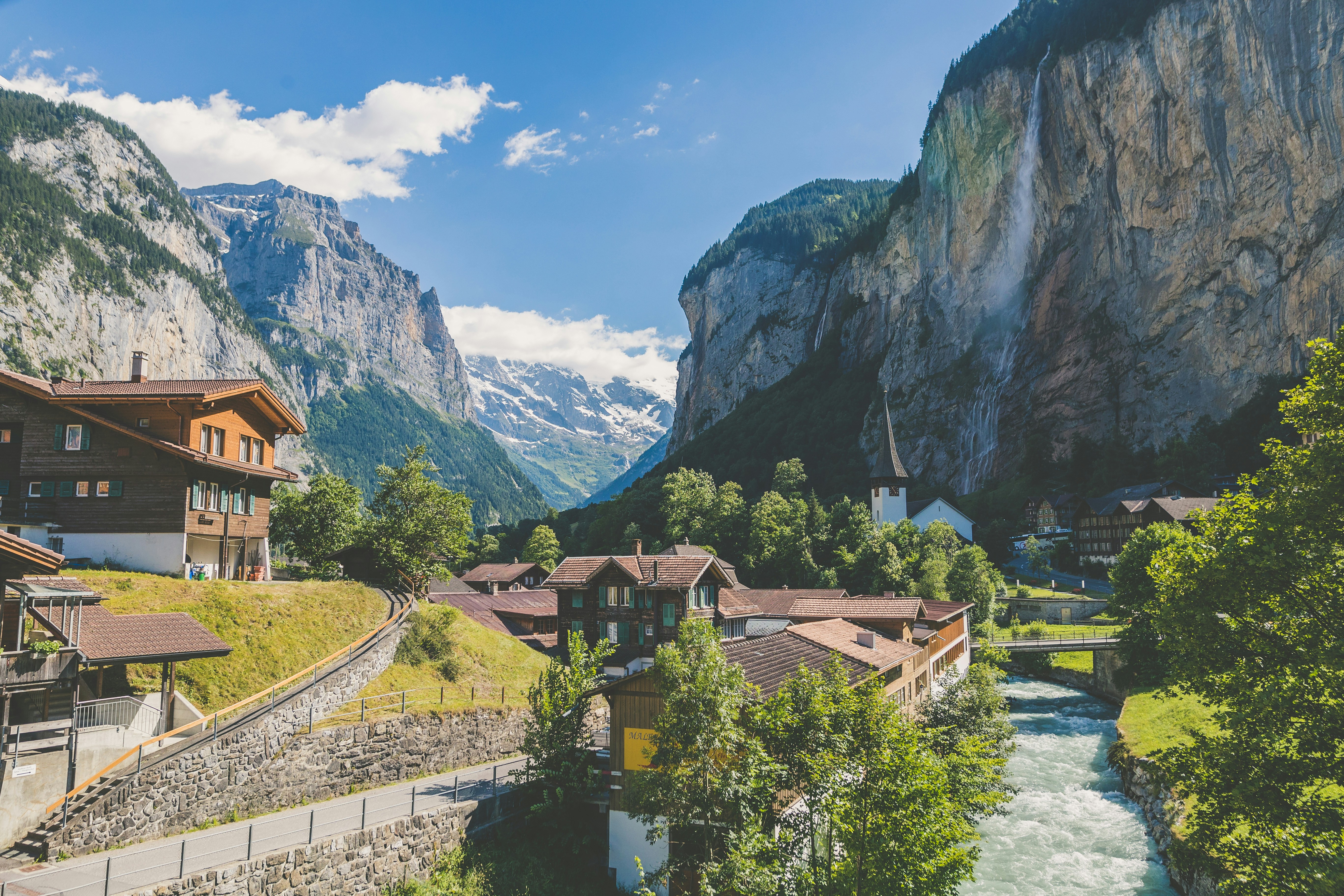
Standing at an altitude of 2,978 meters (9,770 feet) above sea level, Diavolezza—which translates to 'The She-Devil'—is one of Switzerland's most breathtaking alpine destinations. Located in the Engadin valley near St. Moritz, Diavolezza offers visitors a front-row seat to the high-alpine world of the Bernina Massif, including the iconic Piz Bernina (the highest peak in the Eastern Alps at 4,049 meters) and the legendary Piz Palü.Whether visiting in winter or summer, Diavolezza provides unforgettable mountain experiences:Glacier Skiing & Winter Sports: Home to an 8-kilometer glacier run down to Morteratsch, offering one of the longest unsquared glacier ski routes in the Alps.Alpine Hiking & Mountaineering: High-altitude trails, via ferratas (Piz Trovat), and guided glacier walks over the Pers and Morteratsch glaciers.Highest Jacuzzi in Europe: Relax in a heated outdoor hot tub at 3,000 meters while gazing at snowy peaks.Virtual Reality Experience: The Virtual Diavolezza project allows visitors to witness the glacier's transformation through interactive VR technology.


Deep within the winding, UNESCO-protected canals of Xochimilco lies one of Mexico's most unusual and haunting destinations: La Isla de las Muñecas (The Island of the Dolls). Tucked away from the lively, music-filled tourist corridors of the main canal channels, this small island presents a stark, eerie contrast to the bright fiesta atmosphere usually associated with Xochimilco's traditional trajineras (flat-bottomed boats).As your boat approaches the shores of the island, the dense foliage reveals hundreds—if not thousands—of weathered plastic dolls hanging from tree branches, thatched roofs, and wire fences. Severed limbs, empty eye sockets, dirty plastic torso fragments, and cobweb-covered synthetic hair sway gently in the canal breeze. Many of the dolls have been mutilated by nature over decades, covered in moss, cracked by the intense sun, and filled with insects.What to Expect on Your VisitVisitors who step ashore are met with a chilling silence. The island serves as a living museum of macabre folk art and solitary obsession. Local caretakers, often relatives of the island's founder, offer brief guided tours explaining the history, pointing out the original doll that started it all, and showing the small rustic hut where the founder lived in total isolation.Key highlights of the island include:The Central Shrine: A small shed crammed with offerings left by international visitors, including toys, candles, coins, and handwritten letters asking the spirits for blessings or protection.'La Moneca' (The First Doll): The original doll retrieved from the canal, kept in a special altar position inside the shelter.The Hanging Trees: Dozens of weeping willows adorned with hundreds of disintegrating dolls strung up like macabre ornaments.It is customary for visitors to bring a small doll or toy as an offering to honor the local legend and ensure safe passage back through the canals.


Tucked deep within the remote red-rock side canyons of the Grand Canyon system lies Havasu Falls, one of the most famous and striking natural wonders in North America. Known for its brilliant turquoise-blue water contrasting vividly against fiery orange and crimson limestone cliffs, Havasu Falls drops approximately 90 to 100 feet into a series of inviting travertine plunge pools.The extraordinary blue-green color of the water stems from high concentrations of dissolved calcium carbonate and magnesium, which reflect sunlight and continuously form dynamic mineral deposits that reshape the pools over time. Visitors must hike 10 miles from the trailhead at Hualapai Hilltop down through dusty desert canyons to reach the Havasupai Reservation village of Supai and the nearby campground.Access is strictly controlled by the Havasupai Tribe, and visiting requires planning months or even years in advance. Swimming in the refreshing, year-round 70°F (21°C) waters after a arduous trek through the desert is an unforgettable bucket-list experience for outdoor enthusiasts worldwide.


The Roar of Europe's Largest Plain WaterfallLocated near Schaffhausen in northern Switzerland, the Rhine Falls (Rheinfall) is an awe-inspiring spectacle of nature's raw power. Spanning a width of 150 meters and dropping 23 meters into a churning basin, an astonishing average of 600,000 liters of water cascade over the rocks every second during peak summer months. Visitors from around the globe are drawn to the thunderous spray and dramatic energy of this natural icon.The waterfall offers two distinct perspectives from opposing riverbanks. On the southern bank stands the perched Schloss Laufen (Laufen Castle), offering glass-panoramic elevators and cliffside walkways such as the Känzeli platform, which lets you stand mere inches above the roaring torrents. The northern bank at Neuhausen am Rheinfall features pleasant promenade walkways, manicured gardens, and open plazas where you can relax with regional delicacies or ice cream.Unforgettable Boat ExperiencesTo truly feel the power of the river, step aboard one of the color-coded boat tours that navigate the churning basin below:The Rock Tour (Yellow Line 1): The absolute highlight for thrill-seekers. This boat braves the turbulent waters to drop you off at the mighty central limestone rock standing isolated in the middle of the falls. Climb the steep staircase embedded in the rock to reach the top platform for a 360-degree sensory overload.Short Circular Tour (Blue Line 4): A 15-minute ride taking you right up into the churning waters beneath the waterfall for amazing photography angles.Ferry Crossing (Red Line 2): A quick, scenic crossing connecting Schloss Laufen on the south side to Neuhausen on the north side.Audio-Guide Rhine Cruise (Pink Line 5): A leisurely downstream cruise learning about local ecosystem history and surrounding flora.


Discover the Majesty of Multnomah FallsMultnomah Falls is Oregon's tallest and most famous waterfall, cascading dramatically in two distinct tiers down basalt cliffs in the heart of the Columbia River Gorge National Scenic Area. Fed by underground springs from Larch Mountain, the falls drop a total of 620 feet—542 feet for the upper fall and 69 feet for the lower fall, separated by a 9-foot elevation drop in between.Unlike many seasonal waterfalls in the region, Multnomah Falls flows year-round, powered by rainwater, snowmelt, and natural springs. Visitors can admire the roaring cascade from the viewing platform near the base or embark on a short, paved walk up to the Benson Bridge, which spans the mist-filled chasm right above the lower falls.For those looking for a longer adventure, a switchback trail leads to the top of the falls, providing panoramic views of the Columbia River Gorge and connecting to a broader network of hiking trails into the surrounding wilderness.
Havasu Falls is one of the most magnificent and iconic natural wonders in North America. Located within the Havasupai Indian Reservation in a side canyon of the Grand Canyon, this world-renowned waterfall plunges approximately 100 feet (30 meters) into vibrant turquoise-blue plunge pools created by high travertine deposits.The striking contrast between the fiery red sandstone canyon walls and the vivid turquoise water makes it a dream destination for hikers, backpackers, and photographers worldwide. Visiting Havasu Falls is an immersive backcountry adventure that requires advance planning, physical fitness, and respect for the local indigenous community.


Tucked into the lush, tropical jungle of southwest Cebu, Kawasan Falls is arguably one of the most picturesque natural attractions in the Philippines. Famous for its electric turquoise water created by natural limestone deposits, this multi-layered waterfall system offers a perfect mix of serene nature and exhilarating adventure.The main cascade, often referred to as the first tier, drops into a spacious, deep natural pool where visitors can take a refreshing swim in the cool spring water. Beyond the primary fall, adventurous travelers can hike further upstream to discover second and third tiers, which are typically less crowded and surrounded by dense rainforest foliage.For thrill-seekers, Kawasan is globally recognized as the climax of the famous Badian Canyoneering tour. This adventure involves river trekking, cliff jumping from heights ranging from 3 to 15 meters, sliding down natural water chutes, and swimming through scenic river canyons before reaching the main falls.
Tucked away near the misty cascades of Harvalem Waterfalls in North Goa, the Arvalem Caves (or Harvalem Caves) present a striking glimpse into Goa’s ancient rock-cut architecture. Dating back to the 6th century, these rock-hewn chambers carved out of reddish laterite stone offer a peaceful retreat from the sun-drenched beaches of the coast.The cave complex consists of five simple, unadorned compartments. Four of these chambers house ancient Shiva Lingas crafted from different stones, resting on carved pedestals. The central chamber features a Linga engraved with Brahmi inscriptions. Local legend strongly ties these caves to the Mahabharata, naming them the Pandava Caves, as tradition holds that the five Pandava brothers took shelter here during their twelve-year exile.Visiting Arvalem allows travelers to combine deep heritage exploration with nearby natural beauty, including the lush gardens surrounding the complex, the revered Rudreshwar Temple next door, and the rushing Harvalem Waterfalls located just a short walk away.


Overview of Tugela FallsPerched high within the UNESCO World Heritage-listed Maloti-Drakensberg Park, Tugela Falls is one of the most remarkable natural water features on Earth. Tumbling down the vertical basalt walls of the world-famous Amphitheatre cliff face, this seasonal, multi-tiered waterfall plunges in five distinct leap stages, dropping a cumulative total of approximately 948 meters (3,110 feet). Many geographers and nature enthusiasts argue that updated measurements place it as the world's tallest waterfall, challenging Venezuela's Angel Falls.The Hiking ExperienceTugela Falls offers two distinct and exhilarating ways to experience its majesty:The Sentinel Peak Trail (Top of the Falls): A high-altitude, day-long hike that leads adventurers across alpine grasslands and up infamous vertical chain ladders right to the edge of the plateau where the Tugela River plunges over the cliff edge. The view from the top overlooking the vast valley below is utterly unforgettable.The Tugela Gorge Trail (Base View): A scenic 14-kilometer round-trip trek starting from Royal Natal National Park, meandering alongside the clear mountain river through lush indigenous Protea forests and deep river gorges, offering towering bottom-up vistas of the massive Amphitheatre wall.Flora, Fauna, and AtmosphereThe wilderness surrounding Tugela Falls is a sanctuary for unique montane wildlife. Hikers frequently encounter baboons, eland antelopes, mountain reedbuck, and rare avian species such as the Bearded Vulture (Lammergeier) soaring on thermal updrafts. During the wet summer months, the highlands burst into a vibrant carpet of alpine wildflowers, providing a surreal backdrop to the roaring cascades.


Kuang Si Falls (also known as Tat Kuang Si) is one of Laos' most iconic natural wonders, located roughly 29 kilometers south of Luang Prabang. Nestled within a dense, emerald rainforest, this stunning multi-tiered cascade drops from a main 60-meter high waterfall into a series of shallow, brilliant turquoise travertine pools before flowing downstream.The signature turquoise-blue color of the water is created by dissolved calcium carbonate washed down from the surrounding limestone hills. As the mineral precipitates, it creates natural limestone barriers and terraced basins filled with crystal-clear water, many of which are open to visitors for swimming and wading.Key Highlights at Kuang Si Falls:The Main Tier: A grand 60-meter drop that sprays a refreshing mist across the wooden observation bridge.Natural Swimming Pools: Multiple lower terraces offer serene, shade-dappled turquoise pools perfect for swimming and relaxing in cooler waters.Tat Kuang Si Bear Rescue Centre: Located near the entrance, this sanctuary operated by Free the Bears houses rescued Asiatic Black Bears (Moon Bears) saved from poachers and the illegal wildlife trade.Top of the Falls Trail: A steep, somewhat rugged hike leads up both sides of the main cascade to a tranquil spring pool at the top, offering panoramic views over the jungle canopy.Butterfly Park: Located just 300 meters before the waterfall entrance, this privately run botanical garden and butterfly sanctuary showcases native Laotian flora and fauna.
Nestled deep within the Bhagwan Mahaveer Sanctuary and Mollem National Park in the Western Ghats, Dudhsagar Waterfall is a breathtaking natural wonder that captivates every visitor. Standing at an impressive height of 310 meters (1017 feet) and with an average width of 30 meters (100 feet), it ranks among the tallest waterfalls in India. The name 'Dudhsagar' translates to 'Sea of Milk', a moniker it earned due to the foamy, milky-white appearance of the water as it cascades down the rugged rock face, particularly during the peak monsoon season.The waterfall is segmented into four distinct tiers, creating a dramatic and powerful display of nature's might. The sheer volume of water, especially after heavy rains, transforms the landscape into a roaring spectacle. The surrounding dense deciduous forests of the Western Ghats are a biodiversity hotspot, home to a rich variety of flora and fauna, adding to the allure of the location. Visitors often spot various bird species, monkeys, and other wildlife during their journey to the falls.Reaching the base of the waterfall requires an adventurous jeep safari through the forest, followed by a short trek, making the journey itself an integral part of the Dudhsagar experience. At the base, a natural pool invites visitors for a refreshing dip, offering a unique perspective of the colossal falls above. The sight of the waterfall from the railway bridge, where trains pass directly in front of the falls, is also iconic and a popular spot for photographers.Dudhsagar is not just a visual delight but an immersive experience that combines thrilling adventure with serene natural beauty. It's a testament to the raw power and splendor of the Indian subcontinent's natural landscapes.

Thoseghar Waterfalls, nestled amidst the serene Sahyadri mountain ranges in Maharashtra, India, is a spectacular natural wonder that captivates visitors with its raw beauty and tranquil ambiance. This cluster of waterfalls, comprising several cascades, plunges from heights ranging from 15 to 500 meters, creating a mesmerizing spectacle of water and mist. The most prominent and tallest drop is approximately 500 meters (1640 feet), making it one of the highest waterfalls in India. During the peak monsoon season (July to October), the waterfalls are in their full glory, with roaring torrents of water thundering down the rocky cliffs, enveloped by a vibrant canopy of fresh green foliage. A well-maintained viewing platform has been constructed, offering panoramic and safe views of the majestic falls, allowing visitors to witness the sheer power and grandeur of nature up close without venturing too close to the dangerous edges. The surrounding area is a biodiversity hotspot, teeming with various species of flora and fauna, making it an ideal spot for nature lovers and photographers. The gentle mist from the falls often creates rainbows on sunny days, adding to the magical experience. It's a perfect destination for a day trip, a picnic, or simply to unwind and reconnect with nature away from the hustle and bustle of city life. The cool breeze, the rhythmic sound of falling water, and the picturesque landscape combine to create an unforgettable sensory experience. <br><img src="https://upload.wikimedia.org/wikipedia/commons/thumb/1/14/Thoseghar_waterfall_in_monsoon.jpg/1280px-Thoseghar_waterfall_in_monsoon.jpg" alt="Thoseghar Waterfalls in Monsoon" style="max-width:100%; height:auto; margin-top:10px; margin-bottom:10px;"><br>The unique geographical setting, where the Koyna River basin meets the Western Ghats, contributes to the dramatic landscape and the impressive scale of the falls. The area is also known for its clean air and pristine environment, offering a refreshing escape from urban pollution. Visitors can spend hours just gazing at the cascades, listening to the symphony of nature, or exploring the gentle trails around the designated viewing zones. Remember to carry appropriate rain gear if visiting during monsoon and comfortable walking shoes for the short trek to the viewpoint. The sheer volume of water during peak season is a sight to behold, truly embodying the raw power and beauty of the Indian monsoon.

Vajrai Waterfall, often hailed as one of India's tallest perennial waterfalls, is a magnificent natural spectacle nestled amidst the verdant embrace of the Western Ghats, approximately 27 kilometers from the historic city of Satara in Maharashtra. Cascading majestically from a height of about 560 meters (1,840 feet), it presents a breathtaking three-tiered descent that captivates every visitor. The sheer scale and power of the water, especially during the monsoon season, create a mesmerizing display of nature's grandeur. The waterfall is not just a visual delight but also an ecological hotspot, surrounded by dense forests that are home to a rich variety of flora and fauna. The area around Vajrai is part of the biodiversity-rich Sahyadri mountain range, offering a serene escape for nature lovers and adventurers alike. The lush greenery, the misty spray of the falls, and the melodious symphony of birds create an immersive experience that rejuvenates the soul. Visitors can indulge in various activities, from light trekking to the base of the falls (though often challenging during peak monsoon) to simply enjoying the panoramic views from designated viewpoints. The region is also famous for the Kas Plateau, a UNESCO World Heritage site known as the 'Valley of Flowers,' which transforms into a vibrant carpet of wildflowers post-monsoon, and the ancient Thoseghar Waterfall, both located in close proximity. The raw beauty and tranquil ambiance make Vajrai Waterfall a must-visit destination for anyone seeking to connect with nature's pristine charm. A panoramic view of the three-tiered Vajrai Waterfall.
Randha Falls is one of the most spectacular waterfalls in the Western Ghats of Maharashtra, located in the serene hill station of Bhandardara, Ahmednagar district. Cascading from a height of approximately 170 feet (52 meters), this majestic waterfall is formed by the Pravara River as it plunges into a deep gorge, creating a mesmerizing spectacle of nature's raw power and beauty. The falls are particularly breathtaking during the monsoon season (June to September) when the Pravara River is in full spate, transforming the gentle stream into a roaring torrent. The sheer volume of water creates a misty spray that often forms rainbows, adding to the ethereal charm of the location. Visitors can witness the water thundering down, creating a dramatic white curtain against the verdant green backdrop of the surrounding hills. A short walk from the main viewing point leads to several vantage points, offering different perspectives of the falls. There's a small temple dedicated to Lord Shiva nearby, adding a spiritual touch to the natural beauty. The area around Randha Falls is ideal for nature lovers, photographers, and those seeking a peaceful retreat from city life. The lush greenery, the sound of gushing water, and the cool breeze make it a perfect spot for picnics and rejuvenation. While the monsoon offers the most dramatic views, the post-monsoon period (October-November) also presents a charming landscape with the falls still flowing gracefully and the surrounding flora at its vibrant best. The clear skies during this time allow for better photography and exploration. Close to Randha Falls, visitors can also explore other attractions like the Wilson Dam (Bhandardara Dam), Arthur Lake, and the Kalsubai Harishchandragad Wildlife Sanctuary, making it a comprehensive destination for a weekend getaway. A panoramic view of Randha Falls during monsoon.
Kumbhe Waterfall is a hidden gem located amidst the verdant landscapes of the Palghar district in Maharashtra, India. This stunning natural cascade comes alive with full vigor during the monsoon season, transforming into a spectacular sight that draws nature lovers and adventure seekers alike. The water plunges from a considerable height, creating a misty spray that cools the surrounding atmosphere and nurtures the rich biodiversity of the region.The area around Kumbhe Waterfall is characterized by dense forests, rolling hills, and a tranquil ambiance, making it an ideal spot for a day trip or a weekend getaway from the bustling cities of Mumbai and Pune. Visitors can enjoy the exhilarating experience of trekking through the lush trails, which vary in difficulty, offering options for both casual hikers and seasoned trekkers. The trek itself is a treat, winding through scenic paths, small streams, and rich flora and fauna.Beyond the main waterfall, the region boasts several smaller cascades and natural pools where one can relax and rejuvenate. Photography enthusiasts will find ample opportunities to capture the raw beauty of nature, from the powerful gush of the falls to the intricate patterns of the surrounding greenery and the vibrant colors of monsoon flowers. It's a perfect place for picnicking, bird watching, and simply immersing oneself in the serene embrace of the wilderness.While swimming directly under the main falls might be risky due to strong currents during peak monsoon, there are often safer, shallower areas downstream suitable for a refreshing dip. Local guides are sometimes available to help navigate the trails and share insights about the local ecosystem. Remember to carry essential supplies like water, snacks, first-aid, and wear appropriate footwear for trekking. The pristine environment demands responsible tourism, so visitors are encouraged to carry back all their waste.

Devkund Waterfall is a magnificent confluence of three rivers, ultimately forming a single, powerful waterfall that plunges into a serene, emerald-green natural pool. Located near Bhira in the Raigad district of Maharashtra, this enchanting destination remains relatively untouched by commercialization, offering visitors a truly immersive experience in nature. The name 'Devkund' literally translates to 'God's Bathing Pond', reflecting the local belief in its sacredness and purity. The journey to Devkund is an adventure in itself, involving a moderate trek through lush green forests, across streams, and past quaint villages. The trek, which typically takes about 1.5 to 2 hours one way, offers breathtaking views of the Sahyadri mountain range and the surrounding Western Ghats. Upon reaching the waterfall, visitors are greeted by the mesmerizing sight and sound of water cascading from a great height into the deep, clear pool below. The water is incredibly refreshing, inviting tired trekkers for a dip, though caution is advised due to varying depths and strong currents, especially during the monsoon. The area around Devkund is rich in biodiversity, making it a paradise for nature lovers and photographers. The dense foliage, chirping birds, and the cool mist from the waterfall create a tranquil atmosphere, perfect for a peaceful escape from city life. It's an ideal spot for a day trip, offering a blend of trekking, natural beauty, and spiritual calm. Remember to carry essentials like water, snacks, first-aid, and wear appropriate trekking shoes. Respecting the local environment and leaving no trace is crucial to preserve this natural gem.
Zenith Waterfall is a spectacular natural wonder, a testament to the raw beauty of Kerala's high-altitude landscapes. Tumbling from a height of approximately 150 feet, its waters plunge into a clear, inviting natural pool below, creating a mesmerizing spectacle of mist and sound. The sheer volume and force of the water are particularly impressive during and immediately after the monsoon season, transforming the fall into a roaring cascade that commands awe and respect.Surrounded by dense shola forests and rolling tea plantations, Zenith Waterfall offers more than just a visual treat. The air here is crisp and cool, carrying the earthy scent of the forest and the invigorating spray of the falls. It's a sanctuary for nature lovers, photographers, and adventurers alike. Visitors can indulge in a refreshing dip in the natural pool (conditions permitting and with caution), or simply sit by its banks, absorbing the tranquility and grandeur of the surroundings. The trek to the base of the falls is an experience in itself, winding through verdant trails teeming with unique flora and fauna.Birdwatchers will find Zenith Waterfall a rewarding destination, with numerous endemic and migratory species flitting through the canopy. Keep an eye out for vibrant butterflies and, if you're lucky, glimpses of larger wildlife. Photography enthusiasts will be spoiled for choice, with endless opportunities to capture the dynamic beauty of the falls, the intricate patterns of the forest, and the serene reflections in the pool. Zenith Waterfall is not just a destination; it's an immersive experience that rejuvenates the mind, body, and soul.
Kataldhar Waterfall: A Monsoon Marvel of the SahyadrisKataldhar Waterfall is a breathtaking natural wonder located deep within the Ulhas Valley, near the popular hill station of Lonavala in Maharashtra, India. This majestic, seasonal waterfall is renowned for its colossal height, estimated to be around 350 feet (107 meters), making it one of the most spectacular sights in the Western Ghats during the monsoon season. The sheer scale and power of the water cascading down the rock face create an awe-inspiring spectacle that draws nature enthusiasts and trekkers alike.The name "Kataldhar" literally translates to "waterfall from a rock face," perfectly describing its dramatic descent from a towering cliff into a pristine pool below. What sets Kataldhar apart is its unique U-shaped valley, creating a natural amphitheater that amplifies the roar of the cascading water, making the experience truly immersive. The trek to Kataldhar is an adventure in itself, passing through dense forests, rocky terrains, and lush green meadows, offering panoramic views of the surrounding Sahyadri mountain range. The journey through the vibrant monsoon-fed greenery is as rewarding as the destination itself.One of the most fascinating phenomena observed here, especially during strong winds, is the "reverse waterfall" effect, where the powerful gush of wind pushes the water upwards, creating an illusion of the waterfall flowing in reverse. This natural spectacle, combined with the untouched beauty of the valley, makes Kataldhar a popular destination for trekkers, nature photographers, and adventure enthusiasts seeking an escape into the wilderness. The area is also home to diverse flora and fauna, adding to its ecological significance. Visitors are advised to exercise caution during the trek, especially in the slippery monsoon conditions, and to respect the pristine environment.The sheer scale of the waterfall and the serene, yet powerful, environment it creates is an experience that resonates deeply with visitors. It's not just a sight to behold but an immersive journey into the heart of nature's grandeur, offering a refreshing break from urban life.

The Spectacular Sea of MilkDudhsagar Falls, which translates literally to 'Sea of Milk', is one of India's tallest and most impressive waterfalls, plunging down a height of 310 meters (1017 feet) with a average width of 30 meters. Nestled deep within the Bhagwan Mahavir Wildlife Sanctuary in the Western Ghats, this magnificent natural spectacle creates a dramatically beautiful illusion of rushing white milk flowing down the rugged, verdant mountainside.The waterfall is a prominent four-tiered drop fed by the Mandovi River. During the monsoon season, when the river is in full spate, the roar of the rushing water can be heard from miles away, creating a mist that blankets the surrounding dense tropical foliage. A famous rail bridge operated by Southwestern Railways runs directly across the face of the falls, creating an iconic landscape where trains appear to pass right through the cascading spray.
Tucked away in the historic heart of Bhubaneswar, the Mukteshwar Temple stands as a masterpiece of ancient Indian architecture. Dedicated to Lord Shiva—here worshipped as Mukteshwar, the 'Lord who grants liberation'—this compact yet astonishingly detailed temple is widely regarded by art historians as the apex of Odishan art and the benchmark of early-to-mid Kalinga architectural evolution.What sets Mukteshwar apart from the dozens of ancient temples in the 'Temple City of India' is its magnificent Torana (an arched gateway), heavily inspired by Buddhist art forms. Standing under this intricately carved archway and looking up at the gracefully proportioned Vimana (sanctum spire) and Jagamohana (assembly hall) is an unforgettable experience for culture lovers and spiritual seekers alike.Key Highlights & FeaturesThe Iconic Torana: A double-ribbed arched entrance decorated with delicate scrollwork, female figures in playful poses, and intricate floral patterns.Exquisite Stone Panels: The outer walls are adorned with figures of meditating ascetics, playful monkeys, graceful nymphs (Nayikas), and mythic beasts (Gajasimhas).Marichi Kunda Tank: Located right behind the temple compound, this sacred water body is famous for its serene ambiance. Local folklore credits its waters with spiritual and curative virtues.Mukteshwar Dance Festival: Held every year in January, the temple grounds host a renowned three-day classical dance festival where India's finest Odissi dancers perform against the backdrop of the illuminated ancient sandstone structure.Visiting Mukteshwar feels less like stepping into a mega-monument and more like entering an intimate sanctuary where every inch of red sandstone tells a story of devotion, artistic brilliance, and divine grace.