About Fort Aguada
Overview of Fort Aguada
Perched on a cliff overlooking the confluence of the Mandovi River and the vast Arabian Sea, Fort Aguada is one of Goa’s most famous and best-preserved historical monuments. Constructed in the early 17th century by the Portuguese colonial authorities, this grand structure stands as a testament to European military architecture in Asia.
Key Highlights & Features
- The Historic Lighthouse: Built in 1864, it is one of the oldest light stations of its kind in Asia. Initially using oil lamps, it projected light across vast oceanic distances to warn approaching vessels.
- Freshwater Spring: The fort derives its name 'Aguada' from the Portuguese word for water (Água). Inside the citadel was a massive freshwater spring capable of storing up to 2,376,000 gallons of water, serving as a vital refueling station for ships after long transatlantic journeys.
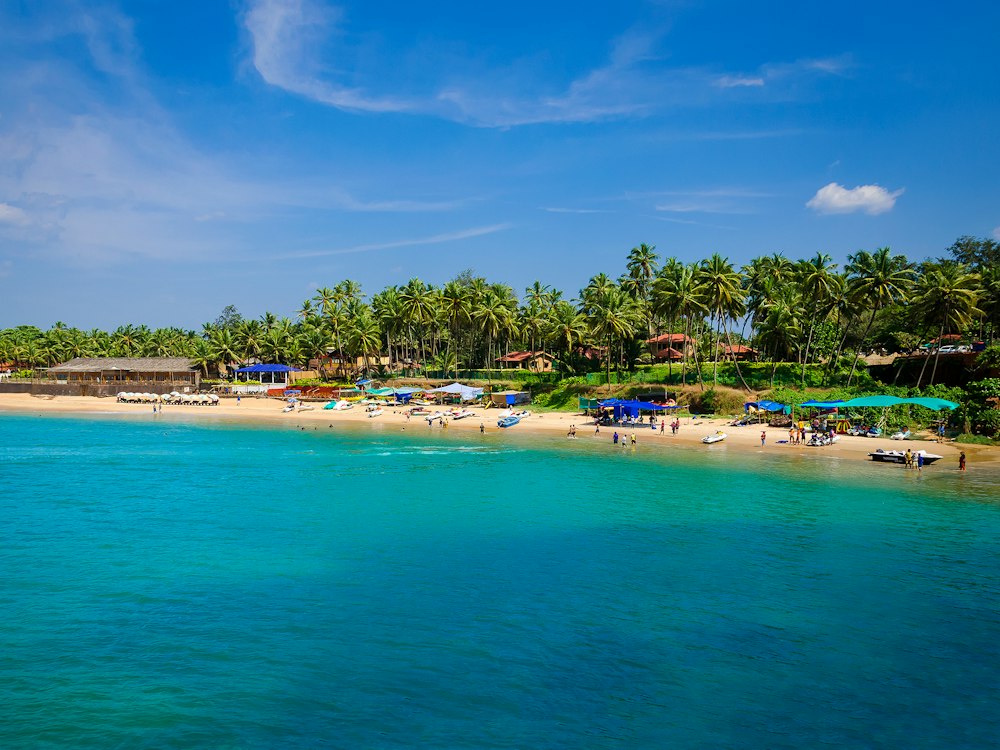
- Panoramic Coastline Views: Visitors enjoy stunning 360-degree views stretching across Sinquerim Beach, Candolim, and the expanse of the Arabian Sea.
- Subterranean Passages: The fortification features intricate secret passages and subterranean rooms designed for escape and storage during sieges.
History
Origins and Construction
Fort Aguada was constructed between 1609 and 1612 under the direction of the Portuguese rulers during the reign of King Philip III of Spain (who also ruled Portugal at the time). The immediate impetus for its construction was the constant threat posed by Dutch naval fleets and local Maratha raiders attempting to breach Goa's defenses via the Mandovi estuary.

Strategic Importance & Military Power
During its peak, Fort Aguada was armed with 79 heavy cannons, making it one of the most heavily fortified strategic strongholds in Portuguese Asia. Its vast outer walls hugged the shore while the inner citadel on the hill provided high ground defense against naval bombardment.
The Prison Era
In the 20th century, parts of the lower fort complex were repurposed as a high-security prison, holding political dissidents and freedom fighters who resisted Portuguese colonial rule prior to Goa's liberation in 1961. Today, this section has been restored into the Aguada Interactive Museum, honoring Goa's freedom fighters.