About Maa Sarvamangala Shakti Peeth
About Maa Sarvamangala Shakti Peeth
The Maa Sarvamangala Temple located in Bardhaman (Burdwan), West Bengal, is one of the most prestigious spiritual landmarks in Eastern India. The temple is dedicated to Goddess Sarvamangala, a benign form of Goddess Durga who bestows all auspiciousness ('Sarva' meaning all, 'Mangala' meaning welfare/auspiciousness) upon her devotees.
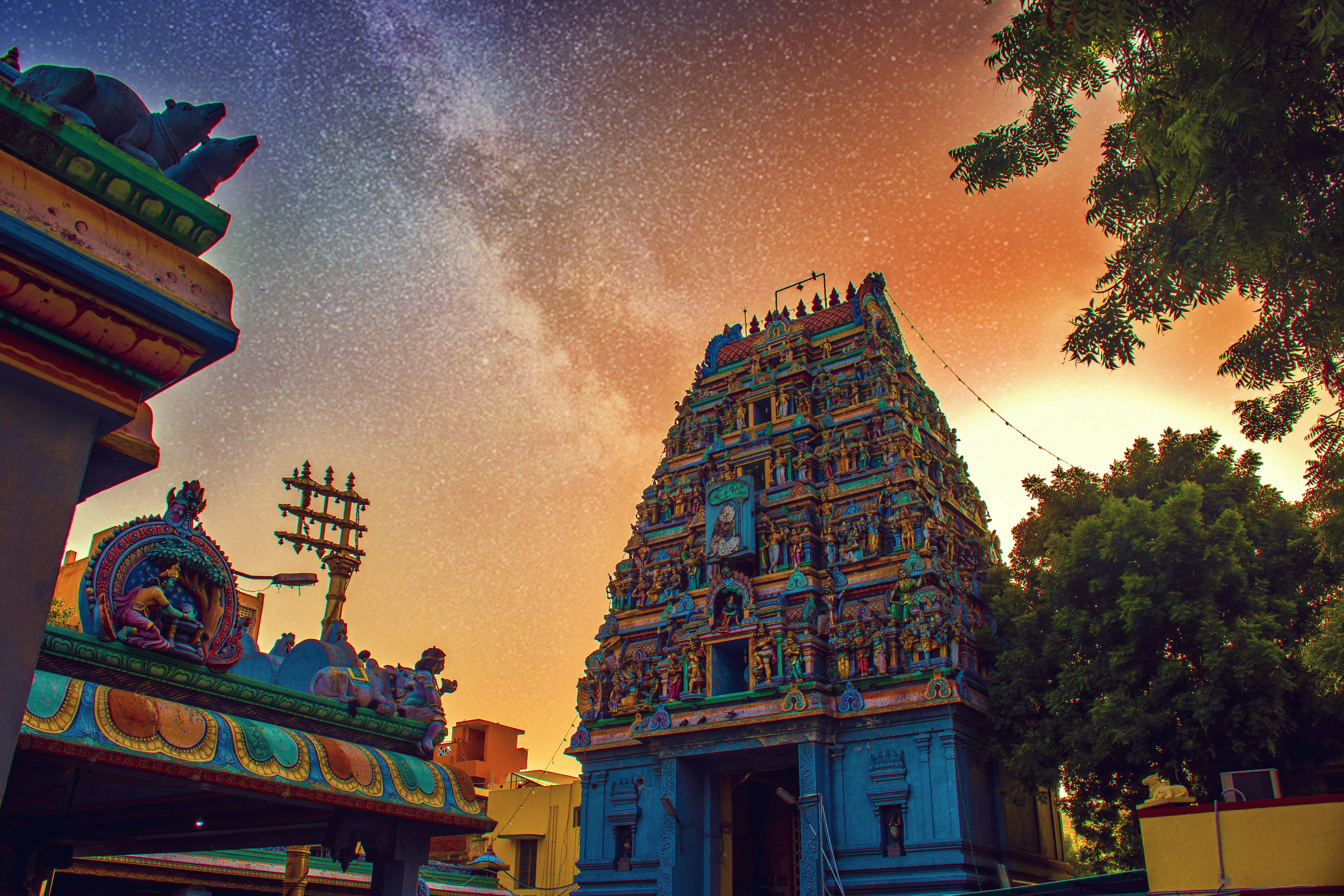
The unique idol of Maa Sarvamangala is crafted out of black touchstone (Kusthi Pathar) and depicts eighteen-armed Mahishasuramardini seated upon a lion. It is considered one of the oldest worshipped stone idols in the region. Devotees from all across West Bengal and neighboring states visit the temple to seek blessings, offer prayers, and participate in ancient Tantric and Vedic rituals.
Spiritual Significance
According to local traditions and Hindu scriptures, Bardhaman is associated with the Shakti Peethas where parts of Sati's body fell during Lord Shiva's Rudra Tandava. Maa Sarvamangala is worshiped as the presiding deity of Bardhaman town. The temple complex is vibrant with daily devotional chants, floral offerings, and the divine aroma of incense.
- Key Festivals: Durga Puja, Navratri, Kali Puja, and Vipattarini Vrata are celebrated with grand pomp and grandeur.
- Bhog Service: Delicious cooked Bhog (sacred meal) is offered to the Goddess daily and distributed among devotees.
- Sub-Shrines: The temple compound houses several Shiva temples featuring ancient Shiva Lingams, adding to the sacred ambience.
History
History & Legend of Sarvamangala Bari
The history of the Sarvamangala Temple is intricately linked with the Burdwan Royal Family (Burdwan Raj). According to local lore, the ancient idol was discovered in the bed of the Damodar River during the early 18th century. Local lime-makers (Chunamakers) accidentally stumbled upon the submerged idol while collecting riverbed stones.

Upon learning about the divine idol, Maharaja Chitra Sen Rai of the Burdwan kingdom brought the idol to his palace with full honors and constructed a grand temple in approximately 1740 AD. The temple architecture exhibits a classic Bengali Nabaratna (nine-pinnacled) style combined with traditional terracotta influence.
Royal Patronage
The Kings of Burdwan considered Maa Sarvamangala as their family deity and the protector of the realm. Over centuries, the royal family endowed land, jewelry, and funds for the permanent upkeep of the temple trust. Even today, the Sarvamangala Trust Board continues the rituals established during the royal era.