About Rameswaram Dham
Nestled on Pamban Island off the southeastern coast of Tamil Nadu, Rameswaram Dham holds an exceptionally revered place in Hindu spiritual traditions. As one of the holy Char Dhams (alongside Badrinath, Puri, and Dwarka) and home to one of the 12 sacred Jyotirlingas of Lord Shiva, it attracts millions of pilgrims and travelers every year.
The central attraction of Rameswaram is the magnificent Ramanathaswamy Temple, renowned for its imposing Gopurams (temple towers) and its iconic outer corridor—the longest pillared hall in the world, featuring over 1,200 meticulously carved granite pillars.
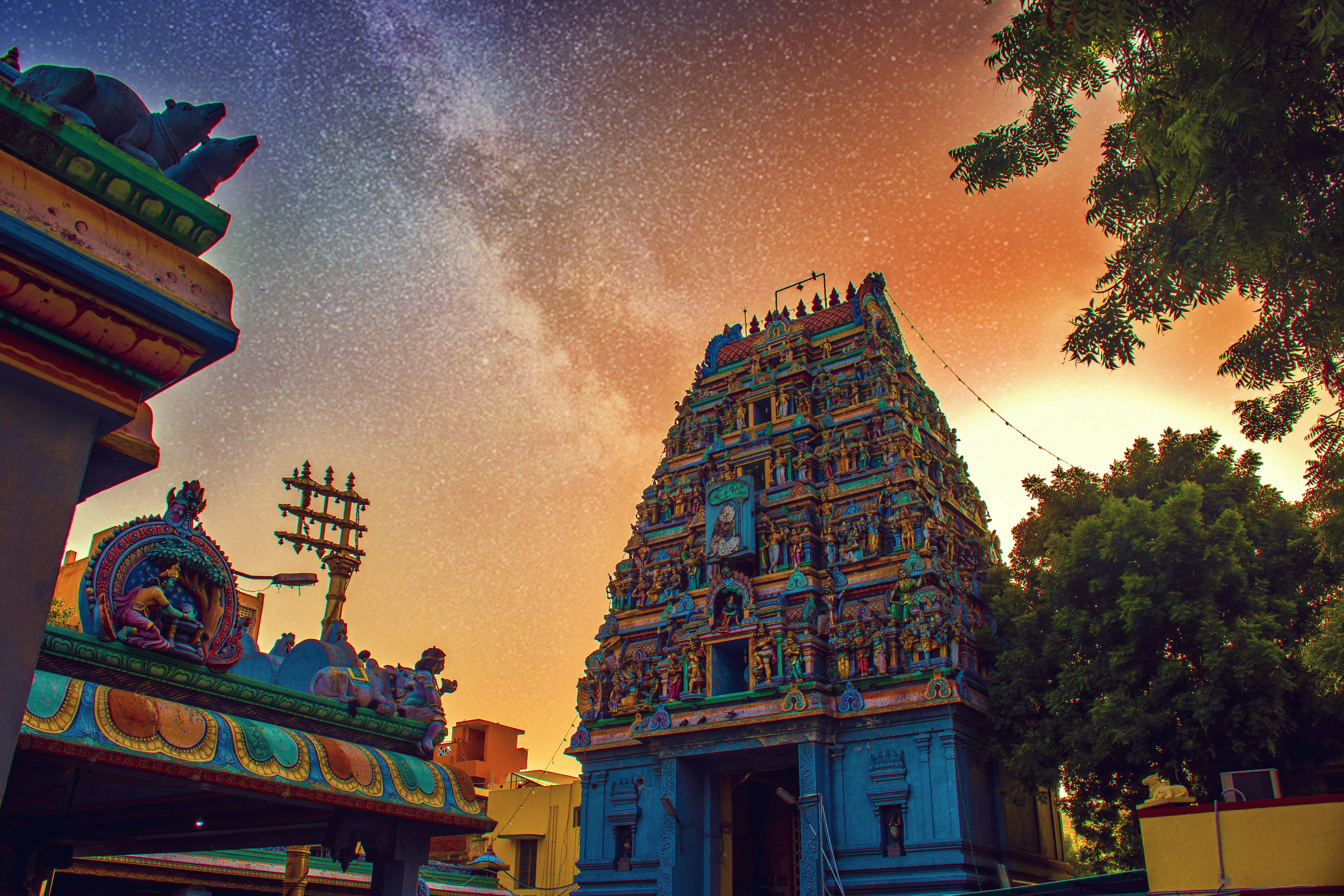
A key ritual for devout pilgrims arriving here is taking a holy dip in the 22 Teerthams (sacred water bodies) within the temple complex, preceded by a bath in the calm waters of Agni Theertham on the seashore. Each water body is believed to possess unique spiritual powers and cleansing properties.
History
The history of Rameswaram Dham is deeply rooted in ancient Indian scriptures, specifically the epic Ramayana. Mythological tradition holds that Lord Rama, along with Lord Hanuman and his army, constructed the Ram Setu (Adam's Bridge) from Rameswaram to Lanka to rescue Goddess Sita from Ravana.
After defeating Ravana, Lord Rama wished to perform a penance to seek Lord Shiva's blessings and cleanse any sin of killing a Brahmin (Ravana). Lord Hanuman was dispatched to Mount Kailash to bring a Shiva Lingam. When his arrival was delayed, Goddess Sita fashioned a small lingam out of sand (known as Ramalingam), which was consecrated by Lord Rama at the precise location where the temple stands today.
Historically, the architecture of the temple expanded across centuries under the patronage of several dynasties, particularly the Cholas, the Pandyas, and the Sethupathi Rulers of Ramnad during the 12th to 18th centuries, who carved out the glorious outer corridors that stand today as marvels of Dravidian architecture.