About Haridwar Kumbh Mela
The Haridwar Kumbh Mela is a monumental spiritual congregation where millions of pilgrims, ascetics, sadhus, and travelers gather along the banks of the sacred River Ganges. Held every 12 years in Haridwar, this grand festival represents deep faith, cleansing of karmic sins, and liberation (moksha) through holy dips in the river, particularly at the famous ghat Har Ki Pauri.
During the event, the atmosphere is charged with devotional chants, ringing temple bells, vibrant processions of various Akharas (sects of sadhus), and grand evening Ganga Aarti ceremonies.

Visiting the Kumbh Mela offers an unforgettable immersive experience into ancient Vedic traditions, spiritual discourses, traditional music, and profound human devotion.
History
The origin of the Kumbh Mela is rooted in ancient Hindu mythology, specifically the legend of the Samudra Manthan (churning of the cosmic ocean). According to the Puranas, the Devas (gods) and Asuras (demons) churned the ocean to obtain Amrita (the nectar of immortality).
When the pitcher (Kumbha) containing the nectar emerged, a celestial struggle ensued. During the chase, drops of the nectar fell at four holy places: Haridwar, Prayagraj (Allahabad), Ujjain, and Nasik. Thus, these four locations host the Kumbh Mela by rotation.
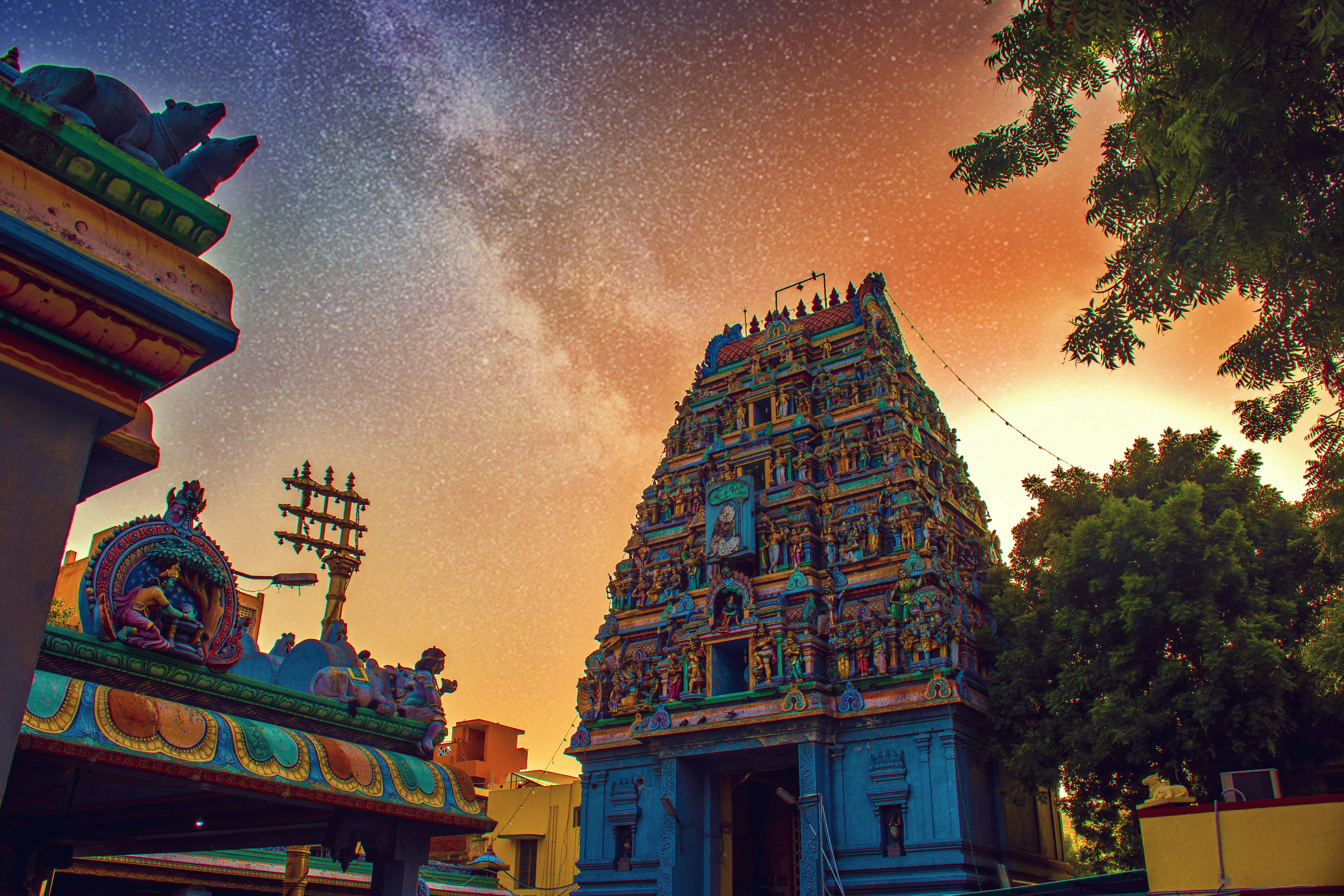
Historical records from Chinese traveler Hiuen Tsang in the 7th century CE mention huge spiritual gatherings at Haridwar, highlighting the centuries-old unbroken tradition of this monumental event.