About Gangotri Temple
Nestled amidst the soaring white peaks of the Himalayas in the Uttarkashi district of Uttarakhand, Gangotri Temple stands as a serene beacon of faith at an altitude of approximately 3,100 meters above sea level. Dedicated to Goddess Ganga, this white granite sanctuary marks the spiritual origin of the sacred River Ganges, which flows here as the Bhagirathi River.
The pristine mountain air, sound of roaring river rapids, and chanting of sacred mantras create a deeply transformative experience for pilgrims and travelers alike. Every year, thousands make the trek up winding mountain roads to seek blessings, immerse themselves in holy waters, and behold the exquisite, calm aura of the temple shrine.
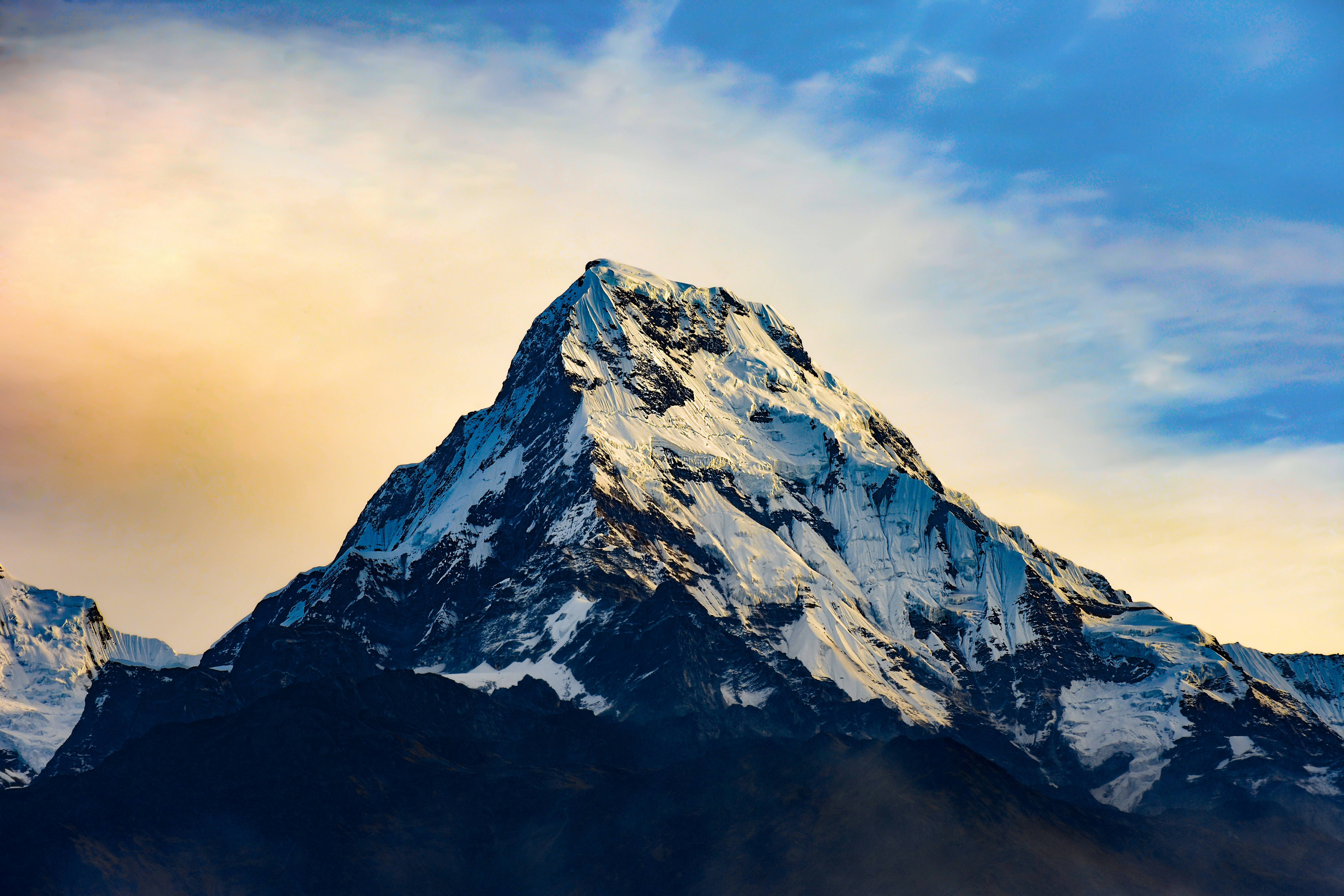
Surrounding the main temple complex are majestic cedar forests, dramatic river gorges, and small ashrams where sadhus sit in lifelong meditation. Visitors can explore neighboring spiritual sites, including the Bhagirath Shila where King Bhagirath is believed to have meditated, and the mesmerizing natural rock formation of Surya Kund where the river plunges into a deep gorge.
History
The original Gangotri Temple was constructed in the early 19th century by the Gorkha Commander Amar Singh Thapa. The architecture exhibits classic North Indian style with five prominent spires (shikharas) crafted from white granite, perfectly blending into the snow-capped backdrop of the surrounding peaks.
According to ancient Hindu mythology, King Bhagirath performed intense penance here to bring the celestial River Ganga down to Earth from heaven to liberate the souls of his ancestors. To cushion the immense force of Ganga's fall, Lord Shiva accepted the torrential river into his matted locks before letting it flow peacefully across the Indian plains.
Later, during the 20th century, the temple underwent renovations supported by the Maharaja of Jaipur. Because of harsh winter weather, the temple doors remain closed for six months annually. During this time, the idol of Goddess Ganga is brought down in a ceremonial procession to the village of Mukhba near Harsil, where she is worshipped until spring.