About Tugela Falls
Overview of Tugela Falls
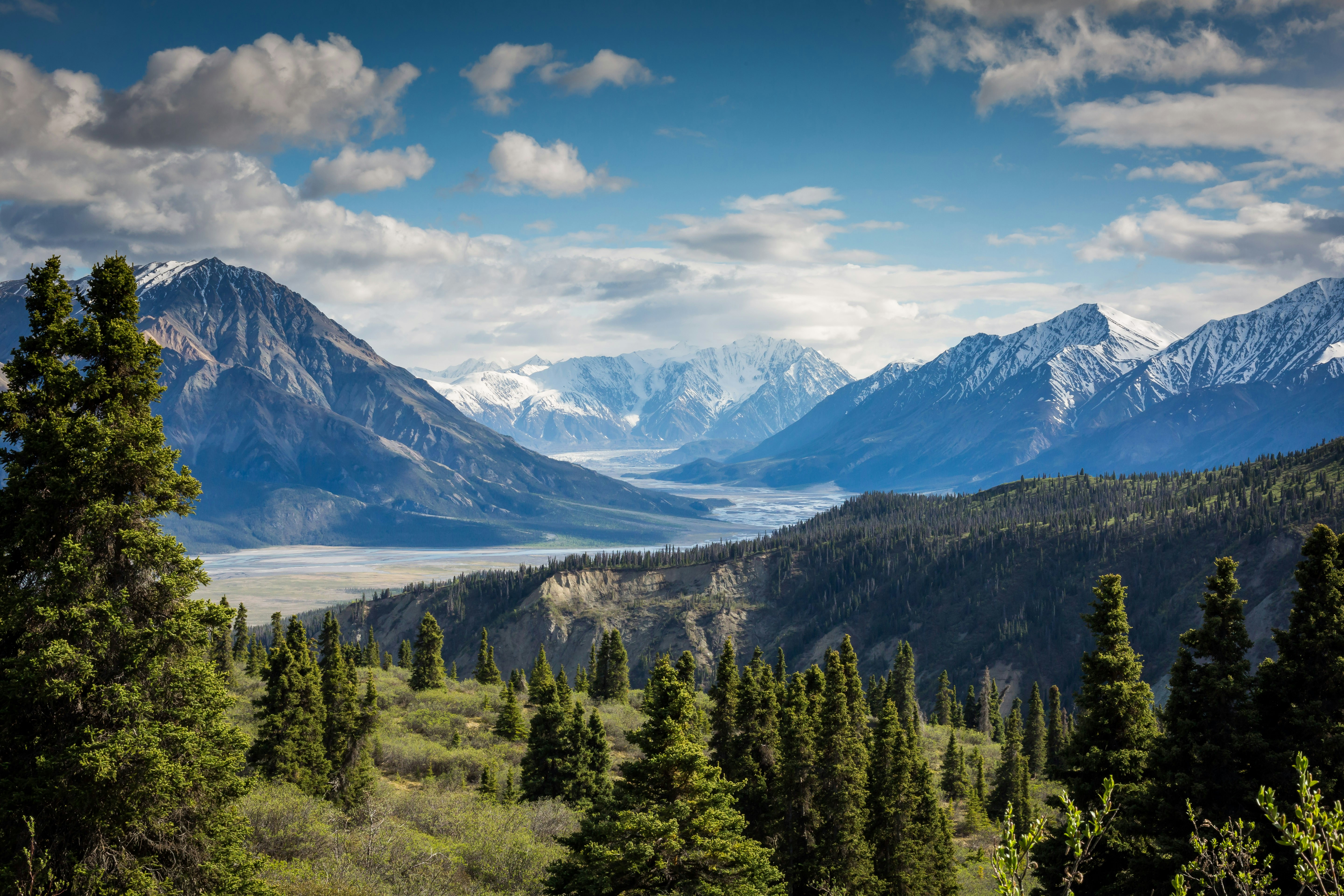
Perched high within the UNESCO World Heritage-listed Maloti-Drakensberg Park, Tugela Falls is one of the most remarkable natural water features on Earth. Tumbling down the vertical basalt walls of the world-famous Amphitheatre cliff face, this seasonal, multi-tiered waterfall plunges in five distinct leap stages, dropping a cumulative total of approximately 948 meters (3,110 feet). Many geographers and nature enthusiasts argue that updated measurements place it as the world's tallest waterfall, challenging Venezuela's Angel Falls.
The Hiking Experience
Tugela Falls offers two distinct and exhilarating ways to experience its majesty:
- The Sentinel Peak Trail (Top of the Falls): A high-altitude, day-long hike that leads adventurers across alpine grasslands and up infamous vertical chain ladders right to the edge of the plateau where the Tugela River plunges over the cliff edge. The view from the top overlooking the vast valley below is utterly unforgettable.
- The Tugela Gorge Trail (Base View): A scenic 14-kilometer round-trip trek starting from Royal Natal National Park, meandering alongside the clear mountain river through lush indigenous Protea forests and deep river gorges, offering towering bottom-up vistas of the massive Amphitheatre wall.
Flora, Fauna, and Atmosphere
The wilderness surrounding Tugela Falls is a sanctuary for unique montane wildlife. Hikers frequently encounter baboons, eland antelopes, mountain reedbuck, and rare avian species such as the Bearded Vulture (Lammergeier) soaring on thermal updrafts. During the wet summer months, the highlands burst into a vibrant carpet of alpine wildflowers, providing a surreal backdrop to the roaring cascades.
History
Geological Evolution
The story of Tugela Falls began over 180 million years ago during the breakup of the supercontinent Gondwana. Massive volcanic eruptions spilled layer upon layer of molten basalt across the region, forming the elevated Lesotho Plateau and the sheer escarpment known today as the Drakensberg (Dragon Mountains). Over millions of years, erosion sculpted the dramatic 5-kilometer-wide, 1,200-meter-high cliff face called the Amphitheatre, setting the stage for the Tugela River's dramatic descent.

Indigenous Heritage & Naming
For thousands of years, the Drakensberg region was inhabited by the indigenous San people (Bushmen), who left behind thousands of exquisite rock art paintings in caves and rock shelters throughout the valleys. Later, Zulu-speaking pastoralists settled in the foothills. The name Tugela originates from the Zulu word 'Thukela', which translates to 'something that startles' or 'sudden surprise', referring to the erratic, powerful flash floods that surge through the river after heavy highland rainstorms.
Conservation and The Tallest Waterfall Debate
In 1916, the South African government established the Royal Natal National Park to safeguard this fragile mountain wilderness. The prefix 'Royal' was granted following the British Royal Family's visit in 1947. In recent years, Tugela Falls has gained intense global scientific interest due to remeasuring expeditions conducted by Czech geographers, who measured the total drop at 983 meters—potentially making it taller than Angel Falls. Regardless of titles, it remains one of Southern Africa's most treasured ecological sanctuaries.