Profile
John Doe
Explorer
3200 Points
Upcoming Trips
- 5 May - Mount Batur
- 15 May - Uluwatu Show
- 28 May - Rice Terraces
Explorer
3200 Points
 All Categories
312
All Categories
312
 Adventure
2
Art Gallery
6
Attraction
1
Ayurveda Retreat
1
Ayurvedic Center
1
Adventure
2
Art Gallery
6
Attraction
1
Ayurveda Retreat
1
Ayurvedic Center
1
 Beach
40
Castle
3
Beach
40
Castle
3
 Cave Temple
1
Church
4
Cultural Landmark
1
Cave Temple
1
Church
4
Cultural Landmark
1
 Entertainment
1
Forests & Parks
3
Entertainment
1
Forests & Parks
3
 Fort
10
Haunted Location
1
Historic Landmarks
3
Historic Place
1
Fort
10
Haunted Location
1
Historic Landmarks
3
Historic Place
1
 Historical Monuments
4
Historical Monuments
4
 Historical Site
4
Historical Site
4
 Lake
4
Lake
4
 Luxury Hotel
1
Monastery
1
Monument
3
Luxury Hotel
1
Monastery
1
Monument
3
 Museum
4
Museum
4
 National Park
5
National Park Attraction
1
Natural Landmark
1
Natural Wonder
1
Nature & Parks
5
Nature & Wildlife
4
Nature Park
1
National Park
5
National Park Attraction
1
Natural Landmark
1
Natural Wonder
1
Nature & Parks
5
Nature & Wildlife
4
Nature Park
1
 Park
2
Park
2
 Parks & Gardens
1
Religious Places
9
Religious Sites
3
Parks & Gardens
1
Religious Places
9
Religious Sites
3
 Resort
5
Resorts
1
Temple
91
Temples
5
Resort
5
Resorts
1
Temple
91
Temples
5
 Waterfall
27
Wellness & Healing
1
Wellness & Retreats
2
Wellness Center
6
Wellness Retreat
3
Waterfall
27
Wellness & Healing
1
Wellness & Retreats
2
Wellness Center
6
Wellness Retreat
3
 Wildlife Sanctuary
2
Fort
Wildlife Sanctuary
2
Fort


Worli Fort stands as a majestic sentinel from the past. Offering panoramic views of the surrounding landscape, it is a magnificent piece of architecture that invites history buffs and explorers to wander its ancient walls.

Mahim Fort stands as a majestic sentinel from the past. Offering panoramic views of the surrounding landscape, it is a magnificent piece of architecture that invites history buffs and explorers to wander its ancient walls.

Cabo de Rama Fort stands as a majestic sentinel from the past. Offering panoramic views of the surrounding landscape, it is a magnificent piece of architecture that invites history buffs and explorers to wander its ancient walls.

Tiracol Fort stands as a majestic sentinel from the past. Offering panoramic views of the surrounding landscape, it is a magnificent piece of architecture that invites history buffs and explorers to wander its ancient walls.

Reis Magos Fort stands as a majestic sentinel from the past. Offering panoramic views of the surrounding landscape, it is a magnificent piece of architecture that invites history buffs and explorers to wander its ancient walls.

Corjuem Fort stands as a majestic sentinel from the past. Offering panoramic views of the surrounding landscape, it is a magnificent piece of architecture that invites history buffs and explorers to wander its ancient walls.

Chapora Fort stands as a majestic sentinel from the past. Offering panoramic views of the surrounding landscape, it is a magnificent piece of architecture that invites history buffs and explorers to wander its ancient walls.

Overview of Fort AguadaPerched on a cliff overlooking the confluence of the Mandovi River and the vast Arabian Sea, Fort Aguada is one of Goa’s most famous and best-preserved historical monuments. Constructed in the early 17th century by the Portuguese colonial authorities, this grand structure stands as a testament to European military architecture in Asia.Key Highlights & FeaturesThe Historic Lighthouse: Built in 1864, it is one of the oldest light stations of its kind in Asia. Initially using oil lamps, it projected light across vast oceanic distances to warn approaching vessels.Freshwater Spring: The fort derives its name 'Aguada' from the Portuguese word for water (Água). Inside the citadel was a massive freshwater spring capable of storing up to 2,376,000 gallons of water, serving as a vital refueling station for ships after long transatlantic journeys.Panoramic Coastline Views: Visitors enjoy stunning 360-degree views stretching across Sinquerim Beach, Candolim, and the expanse of the Arabian Sea.Subterranean Passages: The fortification features intricate secret passages and subterranean rooms designed for escape and storage during sieges.
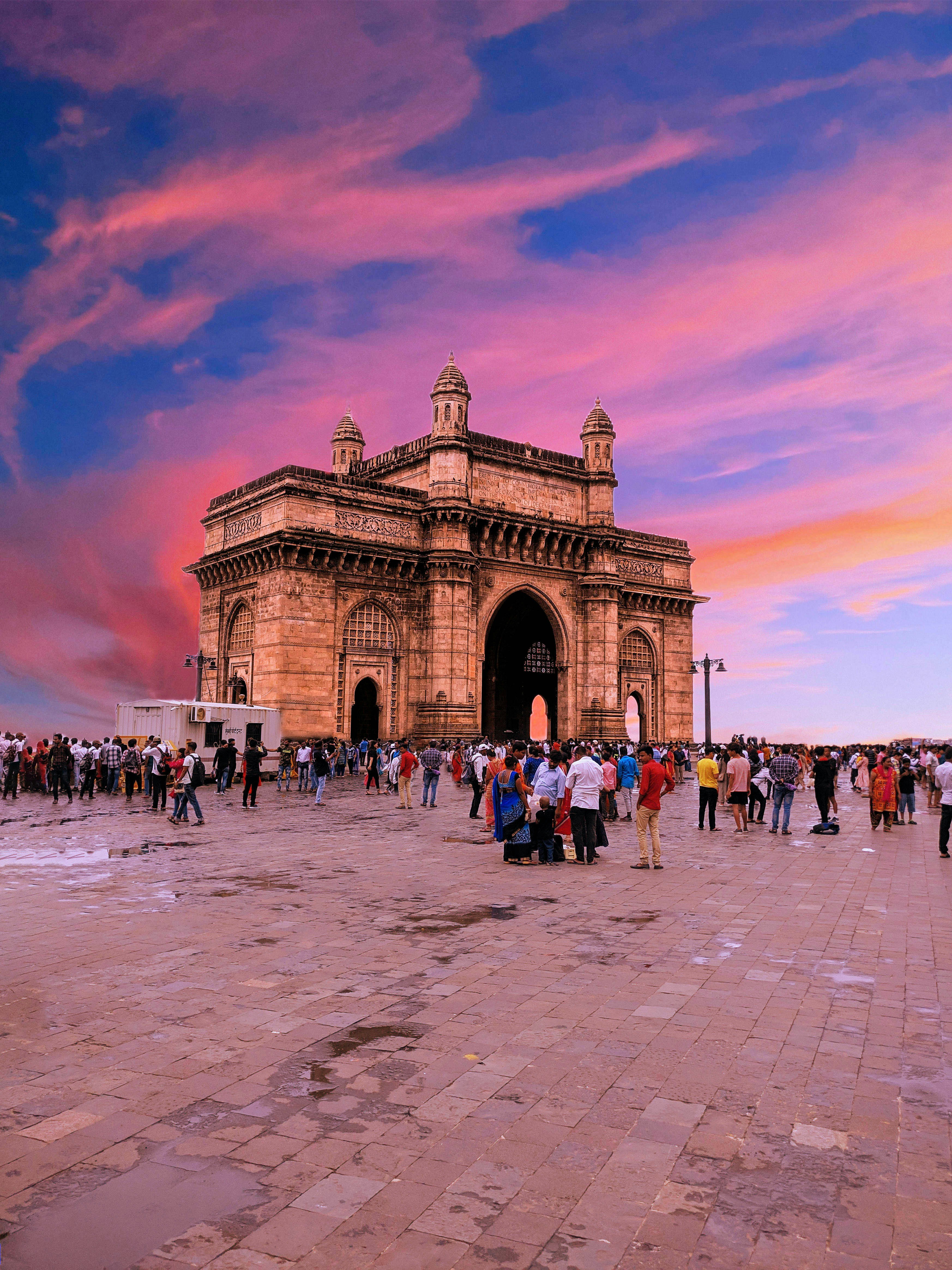
Madh Fort, also popularly known as Versova Fort, is a picturesque seaside fortification situated at the southern tip of Madh Island in northern Mumbai. Standing guard over the calm waters where Marve Creek meets the Arabian Sea, this historic structure serves as a quiet reminder of Mumbai's colonial past and maritime strategy.Surrounded by a sleepy fishing village and coconut groves, the fort offers dramatic panoramic views of the coast, especially during sunset. Due to its secluded location and rugged aesthetic, it has long been a favored backdrop for Indian television shows, music videos, and Bollywood film shoots.Note for Visitors: The fort is currently under the jurisdiction and maintenance of the Indian Armed Forces (Indian Air Force/Navy). Consequently, public access inside the fort walls is restricted, and visitors usually require prior written permission to step inside. However, tourists frequently visit the surrounding beach and outer periphery to admire its impressive stone facade and scenic coastal environment.
Nestled at the foot of the Aravalli hills in the Alwar district of Rajasthan, Bhangarh Fort is world-famous not only for its architectural splendour but also for its spine-chilling reputation as one of the most haunted places in Asia. Built in the late 16th century, the expansive fort complex encompasses grand ruined palaces, ancient bazaar lanes, stone temples, and formidable ramparts, all enveloped by dense wilderness.Visitors entering through the main gate are greeted by the vast Johari Bazaar, a once-thriving marketplace where noble families traded silk and jewels. The fort grounds house several remarkably well-preserved temples dedicated to various Hindu deities, including the Gopinath, Hanuman, and Mangla Devi temples. As you wander deeper toward the multi-tiered royal palace, the atmosphere grows distinctly mysterious.Due to local legends, paranormal folklore, and safety concerns, the Archaeological Survey of India (ASI) strictly prohibits visitors from remaining within the fort premises between sunset and sunrise.