Profile
John Doe
Explorer
3200 Points
Upcoming Trips
- 5 May - Mount Batur
- 15 May - Uluwatu Show
- 28 May - Rice Terraces
Explorer
3200 Points
 All Categories
312
All Categories
312
 Adventure
2
Art Gallery
6
Attraction
1
Ayurveda Retreat
1
Ayurvedic Center
1
Adventure
2
Art Gallery
6
Attraction
1
Ayurveda Retreat
1
Ayurvedic Center
1
 Beach
40
Castle
3
Beach
40
Castle
3
 Cave Temple
1
Church
4
Cultural Landmark
1
Cave Temple
1
Church
4
Cultural Landmark
1
 Entertainment
1
Forests & Parks
3
Entertainment
1
Forests & Parks
3
 Fort
10
Haunted Location
1
Historic Landmarks
3
Historic Place
1
Fort
10
Haunted Location
1
Historic Landmarks
3
Historic Place
1
 Historical Monuments
4
Historical Monuments
4
 Historical Site
4
Historical Site
4
 Lake
4
Lake
4
 Luxury Hotel
1
Monastery
1
Monument
3
Luxury Hotel
1
Monastery
1
Monument
3
 Museum
4
Museum
4
 National Park
5
National Park Attraction
1
Natural Landmark
1
Natural Wonder
1
Nature & Parks
5
Nature & Wildlife
4
Nature Park
1
National Park
5
National Park Attraction
1
Natural Landmark
1
Natural Wonder
1
Nature & Parks
5
Nature & Wildlife
4
Nature Park
1
 Park
2
Park
2
 Parks & Gardens
1
Religious Places
9
Religious Sites
3
Parks & Gardens
1
Religious Places
9
Religious Sites
3
 Resort
5
Resorts
1
Temple
91
Temples
5
Resort
5
Resorts
1
Temple
91
Temples
5
 Waterfall
27
Wellness & Healing
1
Wellness & Retreats
2
Wellness Center
6
Wellness Retreat
3
Waterfall
27
Wellness & Healing
1
Wellness & Retreats
2
Wellness Center
6
Wellness Retreat
3
 Wildlife Sanctuary
2
Temple
Wildlife Sanctuary
2
Temple

Taraporewala Aquarium is one of Mumbai's most beloved aquatic landmarks and stands as India's oldest public aquarium. Situated along the scenic promenade of Marine Drive, this popular attraction offers visitors a mesmerizing window into aquatic ecosystems from fresh waters to deep seas.The aquarium houses hundreds of species of marine, freshwater, and brackish-water fishes. Highlights include exotic specimens like piranhas, butterflyfish, sea turtles, stingrays, and vibrant coral reef dwellers. The facility features a modern glass tunnel at the entrance where visitors can walk beneath swimming marine species, creating an immersive undersea experience.It serves as both an entertaining family destination and an educational hub for marine biology enthusiasts, school tours, and tourists visiting South Mumbai.
Nestled in the rural heartlands of Maharashtra, Shani Shingnapur stands as one of India's most extraordinary pilgrimage destinations. Dedicated to Lord Shani (the personification of the planet Saturn in Hindu astrology), the shrine is globally renowned for its open-air deity and the legendary village surrounding it, where buildings have no doors, frames, or locks.The Swayambhu Idol and Open CanopyUnlike traditional Hindu temples topped with elaborate towers or ornate sanctums, Lord Shani here rests on a open-air marble platform called the Devasthan. The deity itself is a 5.5-foot-tall black stone monolith (Swayambhu), exposed directly to the sun, wind, and rain. According to local belief, Lord Shani prefers no shelter over his head so that he may continually observe his devotees and the sky unobstructed.Every day, thousands of devotees queue up to pay respect, offering sesame oil, black mustard seeds, black cloth, and flowers to appease Saturn and reduce the ill effects of Shani Dasha or Saade Sati.The Legend of the Doorless VillageThe most fascinating aspect of Shingnapur is its socio-religious culture. The entire village operates on an ancient pact of trust: homes, banks, post offices, and commercial establishments do not feature doors or padlocks, employing only curtains or wooden frames to keep out stray animals. Locals believe that anyone who commits theft within the holy jurisdiction will instantly suffer divine wrath, blindness, or severe misfortune directly inflicted by Lord Shani.Key Festivals & RitualsShani Amavasya: Falling on a new moon day that coincides with a Saturday, this is the grandest festival, attracting hundreds of thousands of pilgrims.Oil Abhishekam: Continuous pouring of sesame oil over the black stone monolith is the core ritual performed by priests and devotees.Shani Jayanti: Celebrated with immense enthusiasm with special pujas, palanquin processions, and community meals (Bhandara).

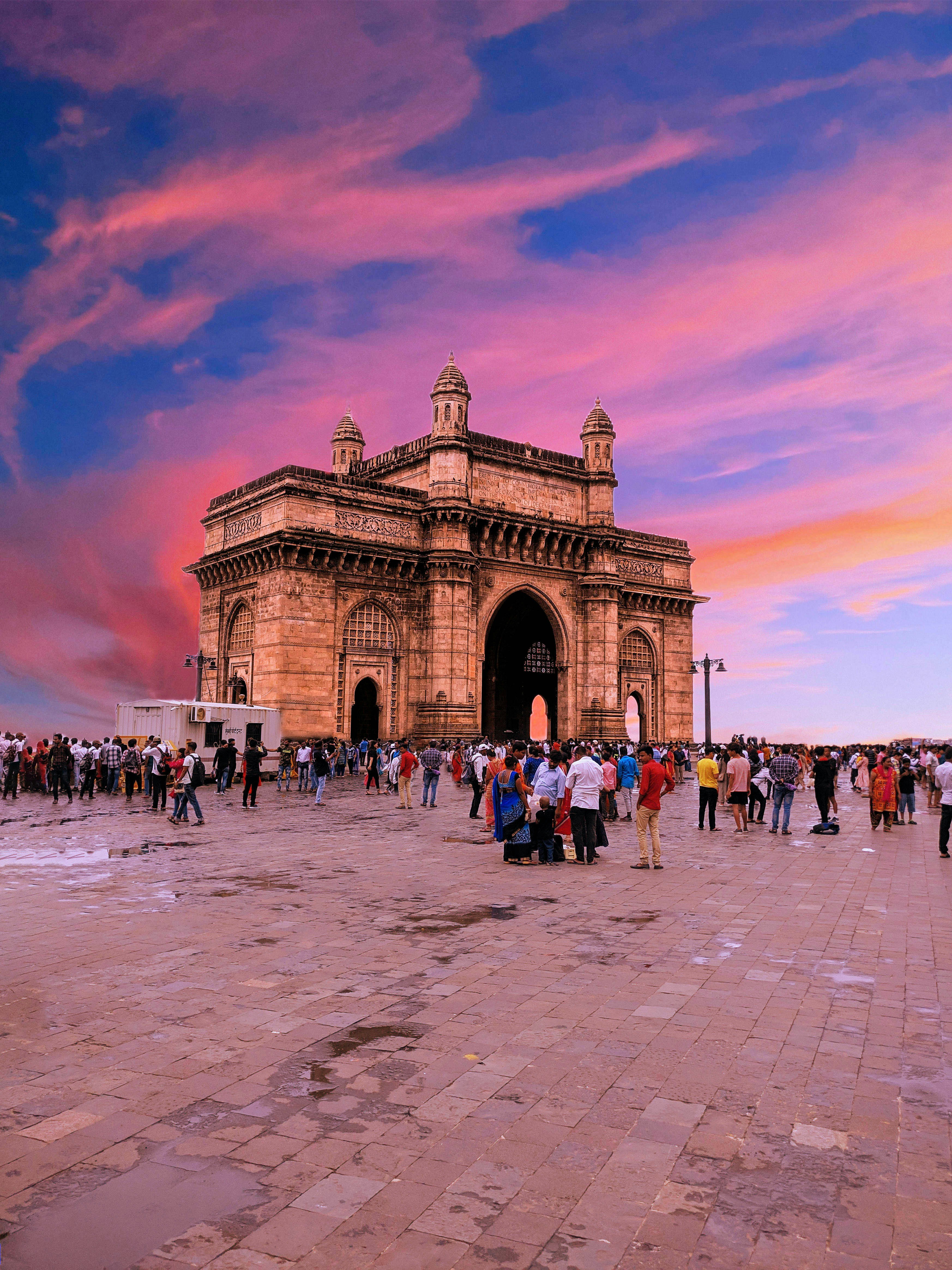
Rising dramatically from the waters of Mumbai Harbour, the Elephanta Caves on Gharapuri Island are a testament to ancient Indian rock-cut art and religious devotion. Dating predominantly between the 5th and 8th centuries CE, these cavernous shrines carved directly into basalt rock cliffs celebrate the multi-faceted cosmic roles of Lord Shiva.The main cavern, Cave 1 (or the Great Cave), spans over 39 meters from front to back. As you walk inside, the ambient light dims, revealing gigantic carved relief panels depicting classic Hindu mythology. The crowning masterpiece is the 20-foot-high Trimurti (Sadashiva) sculpture, showcasing three faces of Shiva: the Creator (Vamadeva), the Preserver (Tatpurusha), and the Destroyer (Aghora).Beyond Cave 1, visitors can explore four smaller rock-cut shrines on the western hill and two stupa-related caves on the eastern hill. Traveling here requires a scenic hour-long ferry ride from the iconic Gateway of India, making it both a cultural pilgrimage and a memorable coastal escape.

Tucked away in the dense residential neighborhood of Jogeshwari East, the Jogeshwari Caves stand as one of Mumbai's earliest rock-cut cave temple shrines. Dating back to the 6th century CE, this extraordinary site marks a crucial transition period in Indian rock-cut architecture—shifting from Mahayana Buddhist rock architecture to early Brahmanical (Hindu) cave iconography.The cavernous temple complex is carved into a basaltic rock outcrop. Visitors descend a flight of stairs into a long, dramatic rock-cut cavern leading to a open courtyard and a grand central pillared hall (Mandapa). At the heart of the complex lies the main shrine dedicated to Goddess Jogeshwari (a form of Durga) and a Shivalinga, which remains an active place of worship for the local community.Despite urbanization around its perimeter, entering the cool, shadowed halls of the caves offers a fascinating glimpse into ancient craftsmanship, intricate pillar carvings, and historic rock architecture preserved within modern Mumbai.
Jivdani Temple is a famous Hindu shrine situated atop Jivdani Hill in Virar East, Palghar district, Maharashtra. Dedicated to Goddess Jivdani Mata, the temple is one of the most visited pilgrimage destinations in the Mumbai Metropolitan Region. Perched at an elevation overlooking Virar city, the temple offers breathtaking panoramic views of the surrounding landscape, especially during sunrise and sunset.Devotees traditionally climb more than 1,300 steps to seek the blessings of the goddess, although a ropeway facility is also available for visitors who prefer a more convenient ascent. The temple complex provides a serene spiritual atmosphere, attracting devotees, photographers, trekkers, and tourists alike.Major festivals such as Navratri witness enormous crowds, with thousands of devotees participating in special prayers, aarti, and religious celebrations. The hilltop location, fresh air, and scenic surroundings make the temple both a sacred pilgrimage site and an enjoyable tourist attraction.The temple premises include prayer halls, resting areas, food stalls, drinking water facilities, and viewpoints overlooking Virar and the Arabian Sea region.
Shree Mahalaxmi (Ambabai) Temple, KolhapurShree Karveer Niwasini Ambabai, popularly known as the Mahalaxmi Temple or Ambabai Temple, is one of the most important religious and cultural landmarks in Kolhapur, Maharashtra. Located in the historic heart of the city, the temple is dedicated to Goddess Mahalaxmi, worshipped locally as Karveer Niwasini Ambabai. The shrine attracts devotees throughout the year and becomes especially vibrant during Navratri, Kirnotsav and other major Hindu festivals.The temple is renowned for its ancient stone architecture, finely carved pillars, sculptural details and distinctive shikharas. The dark stone construction contrasts beautifully with the lighter-colored towers rising above the temple complex. Inside the sanctum is the traditionally worshipped image of Goddess Mahalaxmi, richly decorated with clothing, ornaments and flowers during daily rituals and festivals.The temple complex is more than a single shrine. It contains several subsidiary shrines and sacred spaces, making a visit an opportunity to experience different aspects of Hindu worship and temple architecture. The surrounding Mahadwar Road area is also a lively part of central Kolhapur, with traditional shops, devotional items, local food and markets.One of the temple's most fascinating features is the annual Kirnotsav, or festival of sun rays. During this phenomenon, sunlight enters the temple in a carefully aligned manner and falls on the image of the Goddess. The event is considered both spiritually significant and architecturally remarkable, demonstrating the relationship between temple design, orientation and the movement of the sun.The temple remains an active place of worship rather than simply a historical monument. Visitors should therefore maintain appropriate dress and behaviour, follow queue and security instructions, and respect restrictions regarding photography and access to the sanctum.For current worship schedules, festival announcements and visitor information, consult the temple's official website before travelling.

The Abode of Sai: A Spiritual JourneyShirdi, a small town in the Ahmednagar district of Maharashtra, India, is synonymous with the revered saint, Sai Baba. The Shri Saibaba Sansthan Temple is the epicenter of devotion, drawing millions of pilgrims annually from across the globe, irrespective of their religion or creed. Sai Baba, a spiritual master who preached 'Shraddha' (faith) and 'Saburi' (patience), lived in Shirdi for over sixty years, transforming it into a sacred pilgrimage center. His teachings of universal love, compassion, and the oneness of God continue to inspire and guide his devotees.The main temple complex houses the Samadhi Mandir, where Sai Baba's mortal remains are enshrined. The atmosphere within the temple is charged with devotion, hymns, and the chanting of 'Om Sai Ram'. Devotees queue for hours, sometimes days, for a glimpse (darshan) of the idol of Sai Baba, which radiates peace and benevolence. The daily rituals, including Kakad Aarti (morning), Madhyana Aarti (noon), Dhoop Aarti (evening), and Shej Aarti (night), are performed with great reverence and are a highlight for many visitors.Beyond the main temple, the complex includes several other significant spots:Dwarkamai Masjid: This humble mosque was Sai Baba's residence for much of his life. It's here that he performed many miracles, healed the sick, and delivered his profound teachings. The eternal flame (Dhuni) he lit still burns brightly, and devotees collect its sacred ash (Udi) as a blessing.Chavadi: On alternate nights, Sai Baba would sleep here, a short distance from Dwarkamai. It's a place of deep historical and spiritual significance, reminding devotees of his simple life.Lendi Baug: A beautiful garden tended by Sai Baba himself, where he would water plants daily. It features a perpetually burning lamp (Nanda Deep) and a neem tree under which he often rested.Gurusthan: The spot where Sai Baba was first seen as a young boy, believed by many to be the resting place of his Guru.A visit to Shirdi is not just a tour; it's a spiritual immersion, a journey to experience the divine presence and teachings of one of India's most beloved saints. The trust ensures facilities like accommodation, prasad (holy offering), and medical aid are available for pilgrims.

The Village of Doorless Wonders and Divine Protection Shani Shingnapur is a remarkable village nestled in the heart of Maharashtra, India, approximately 35 km from Ahmednagar. What sets this village apart globally is its extraordinary tradition: none of the houses, shops, or even public buildings have doors. Instead, they often feature only doorframes, a testament to the villagers' profound and unwavering faith in Lord Shani, the Hindu deity of justice and karma. They believe that Lord Shani acts as the village's guardian, protecting them from all forms of theft and misfortune. This unique custom has earned Shani Shingnapur a place in the Guinness Book of World Records. The central attraction is the Shani Temple, which is equally unconventional. Unlike traditional temples with elaborate structures, the idol of Lord Shani here is a massive, five-and-a-half-foot-tall black stone slab, naturally formed and self-emerged (Swayambhu), standing on a simple open-air platform. There is no roof over the idol, as it is believed that Lord Shani prefers to be under the open sky. Devotees perform 'abhishekam' (ritual bathing) with water and oil, and offer prayers directly to the idol, often experiencing a deep sense of peace and spiritual connection. The atmosphere in Shani Shingnapur is one of deep devotion and tranquility. Visitors are often struck by the sense of security and trust that pervades the village. While the primary purpose of visiting is spiritual, the unique social experiment of living without doors offers a fascinating insight into faith, community, and unconventional living. It's a place where ancient beliefs seamlessly blend with modern life, creating an experience unlike any other.

The Babulnath Temple, perched atop a small hillock overlooking the Arabian Sea in South Mumbai, is a revered ancient shrine dedicated to Lord Shiva. It stands as one of the oldest temples in the city, offering devotees a spiritual sanctuary amidst the bustling urban landscape. The temple's architecture, primarily built in the Nagara style, is a sight to behold, with intricate carvings and a serene ambiance that transports visitors away from the city's chaos. Devotees can reach the main shrine either by ascending a flight of stairs, which offers a traditional pilgrimage experience, or by utilizing the modern elevator facility, making it accessible to all. Once at the top, the panoramic views of the Arabian Sea, Marine Drive, and the city skyline are breathtaking, especially during sunrise or sunset. The central deity, a Shiva Lingam, is believed to be a 'Swayambhu' or self-manifested idol, adding to its spiritual significance. The temple complex also houses shrines dedicated to other deities, including Parvati, Ganesh, and Hanuman. Visiting Babulnath Temple is not just a religious journey but also an experience of tranquility and cultural immersion. The air is often filled with the chanting of mantras and the fragrance of incense, creating a deeply spiritual atmosphere. It serves as a vital cultural landmark and a place of solace for thousands of devotees daily.
Discover the Divine Sanctuary of Mahalaxmi TemplePerched right on the edge of the Arabian Sea along Bhulabhai Desai Road, the Mahalaxmi Temple stands as one of the most prominent and spiritually charged landmarks in Mumbai. Dedicated to Goddess Mahalaxmi—the Hindu deity of wealth, prosperity, and spiritual grace—the temple draws thousands of devotees and curious travelers every single day.As you step inside the temple complex, the sweet fragrance of fresh marigolds and incense fills the sea-breeze air. The main sanctum sanctorum houses three magnificent idols adorned with gold bangles, pearl necklaces, and exquisite flower garlands: Goddess Mahalaxmi in the center, flanked by Goddess Mahakali on the left and Goddess Mahasaraswati on the right. The serenity of the temple offers a soothing sanctuary from the bustling energy of the maximum city.During the grand festival of Navratri, the temple transforms into a glowing beacon of celebration. Vibrant light displays adorn the pathways, continuous chanting echoes through the halls, and long queues of pilgrims gather to seek blessings of prosperity and peace.

p>Nestled in the bustling heart of Old Mumbai amidst the vibrant lanes of Zaveri Bazaar, the Mumba Devi Temple stands as a powerful spiritual anchor and an essential piece of the city's living heritage. Dedicated to Goddess Mumba, an incarnation of Shakti, this sacred shrine has drawn millions of devotees, merchants, and travelers seeking blessings for centuries.The deity of Mumbadevi is beautifully crafted out of black stone and adorned with traditional Maharashtrian attire, jewels, and a nose ring. Adjacent to the main idol, worshipers also pay respects to Annapurna and Jagdamba. The ambience inside the temple complex is filled with the fragrant aroma of incense, the rhythmic ringing of bells, and the chanting of ancient mantras, providing a serene sanctuary amidst the energetic frenzy of the surrounding markets.Visiting Mumba Devi Temple offers a deep dive into Mumbai's roots. It connects modern visitors with the ancient Koli fisherman community who first worshiped the goddess as their protector against the unpredictable seas. Today, people from all walks of life—from local street vendors to prominent industrialists—come to offer flowers, sweets, and prayers before beginning new endeavors.

Tucked away near the top of Malabar Hill—one of Mumbai’s most affluent neighborhoods—lies the Walkeshwar Temple complex, a tranquil spiritual oasis that feels centuries removed from the city's relentless hustle. Dedicated to Lord Shiva, the temple sits adjacent to the historic Banganga Tank, a rectangular water body surrounded by stone steps (ghats), smaller shrines, and heritage structures.Visiting Walkeshwar Temple offers a rare glimpse into Mumbai’s ancient origins, long before it became a bustling metropolis of seven islands. As you descend the narrow stone alleys leading down to the water tank, the atmosphere transforms dramatically. The sound of speeding traffic gives way to temple bells, the soft rustle of pigeons, and the quiet rhythmic chanting of priests performing daily rituals along the steps.What to Experience at WalkeshwarThe Sacred Banganga Tank: The water inside this freshwater tank is believed to originate from the holy river Ganges. Local devotees perform ritual ablutions, pray, and feed birds along the stone steps.Classical Spiritual Vibe: The temple precincts retain a traditional Maharashtrian temple town ambiance. It was historically a prominent venue for classical music performances during the annual Banganga Music Festival.Architecture & Shrines: Beyond the main Shiva shrine housing the sacred Linga, the complex features stone idols, intricate carvings, and satellite shrines dedicated to Lord Rama, Hanuman, and various deities of the Hindu pantheon.
Situated near the iconic Girgaon Chowpatty in South Mumbai, Babulnath Temple is a magnificent ancient shrine dedicated to Lord Shiva in the form of the Lord of the Babul tree (Acacia tree). Perched nearly 1,000 feet above sea level on a small hillock, this sacred abode provides a peaceful refuge from the energetic pulse of Mumbai.Devotees ascend around 110 steps to reach the main sanctum, though an elevator facility is also available for elderly visitors and those needing assistance. The temple premises exude profound peace, especially during the early morning aarti when the chanting of hymns resonates through the carved marble pillars and tranquil courtyards.Key Highlights: Exquisite marble carvings, peaceful hillock views, and vibrant celebrations during Mahashivratri and Shravan month.Architecture: Built in traditional South Indian and Gujarati architectural styles with intricate carvings portraying mythological events and celestial beings.
Located just a short walk away from the bustling shores of Girgaon Chowpatty beach in South Mumbai, the ISKCON Chowpatty Temple (officially known as Sri Sri Radha Gopinath Mandir) offers a tranquil haven of devotion amidst the frenetic energy of the city. Established under the guidance of His Holiness Radhanath Swami and the International Society for Krishna Consciousness (ISKCON), this temple is widely loved for its intimate, warm atmosphere and deeply engaging spiritual services.Upon entering the complex, visitors are greeted by intricate carved woodwork, marble alters, and meticulously crafted floral decor surrounding the presideing deities: Sri Sri Radha Gopinath, alongside Sri Sri Gaura-Nitai and Sri Sri Gopalji. The temple places strong emphasis on authentic Vaishnava traditions, regular discourse on the Bhagavad-gita and Srimad-Bhagavatam, and community service initiatives such as mid-day meal programs and eco-friendly rural projects.Whether you are attending the soul-stirring morning Mangala Aarti, partaking in the vibrant evening kirtans, or savoring pure vegetarian meals at the Govinda's restaurant, ISKCON Chowpatty delivers an enriching cultural and spiritual experience for seekers of all backgrounds.
Perched gracefully atop the elite neighborhood of Malabar Hill, Kamala Nehru Park is one of Mumbai's most beloved green spaces. Spanning over 4,000 square meters, this lush sanctuary offers visitors a tranquil escape from the bustling city rhythm below. The park is especially renowned for its whimsical giant shoe structure, affectionately known as the Old Woman's Shoe, inspired by the classic nursery rhyme 'There was an Old Woman Who Lived in a Shoe'. Children can climb up inside the shoe structure to catch a cheerful view of the surrounding garden.Beyond its playful charm, Kamala Nehru Park serves as one of the best vantage points in Mumbai. From its terraced viewing decks, visitors can take in stunning, unhindered vistas of the C-shaped Marine Drive bay, often referred to as the 'Queen's Necklace' when illuminated at night, as well as the shimmering Arabian Sea and the distant South Mumbai skyline.The park underwent significant redevelopment in recent years, introducing eco-friendly features, sensory walkways, restored lawns, updated lighting, and landscaped flower beds. It is an ideal spot for morning walks, family outings, and peaceful evening sunsets.

Gorai Beach is one of Mumbai's most beloved coastal escapes, situated in the quiet peninsula village of Gorai in North-West Mumbai. Famed for its peaceful ambience, soft black sands, and serene Arabian Sea waves, it offers a stark, refreshing contrast to the bustling city life of Mumbai proper.Visitors flock to Gorai Beach to unwind on quiet walks along the coastline, watch breathtaking sunsets, and indulge in local beachside snacks like fresh coconut water, gola, and seafood delicacies served by local East Indian Catholic eateries in the nearby village.Located close to the iconic Global Vipassana Pagoda, Gorai Beach serves as both a spiritual detour and a recreational refuge. Families, couples, and weekend travelers frequently rent beach shacks or private cottages nestled under palm grooves for staycations.
The Sacred Dwelling of Lord GrishneshwarSituated in the historic village of Verul near Chhatrapati Sambhajinagar (formerly Aurangabad), Grishneshwar Jyotirlinga (also known as Ghushmeshwar) holds a cherished position in Hindu pilgrimage as the twelfth and final Jyotirlinga mentioned in the Shiva Purana. Nestled right next to the world-renowned UNESCO World Heritage site of Ellora Caves, the temple offers a uniquely serene and deeply spiritual sanctuary where millennia of history, art, and devotion converge.Constructed from deep reddish-pink volcanic basalt rocks, the temple edifice is a spectacular specimen of traditional Indian temple design. The structure displays intricate carvings of celestial beings, lotus patterns, and classical motifs across its outer walls. As you step inside the central mandapa supported by polished red sandstone pillars, a palpable sense of antiquity envelopes you. Devotees are allowed to enter the inner sanctum (Garbhagriha) to touch and perform direct rituals on the sacred Swayambhu Lingam, creating an intimate spiritual connection seldom found at major pilgrimage destinations across India.Spiritual Traditions & Dress Code GuidelinesTo preserve sacred traditions, male pilgrims wishing to enter the core sanctum sanctorum must remove their upper-body clothing and leather items (such as belts, wallets, and bags) before stepping near the deity. Women are advised to wear traditional Indian attire like sarees or salwar suits. Photographers should note that cameras and mobile phones are strictly prohibited inside the main temple premises, ensuring that the atmosphere remains focused purely on prayer and quiet contemplation.
The Sacred Sanctuary of TrimbakeshwarNestled at the foothills of the scenic Brahmagiri mountains in the Sahyadri range, Trimbakeshwar Jyotirlinga stands as one of the most significant pilgrimage sites in Hinduism. Located about 28 kilometers from Nashik, Maharashtra, this divine shrine holds a special distinction among the twelve Jyotirlingas across India. Unlike other Shiva shrines where the linga represents Shiva alone, the sacred icon here features a small cavity containing three miniature lingas, embodying the Holy Trinity: Lord Brahma (The Creator), Lord Vishnu (The Preserver), and Lord Shiva (The Destroyer).The temple atmosphere resonates with intense spiritual energy, Vedic chants, and the soothing hum of devotees performing sacred rituals. The sacred river Godavari, often referred to as the Dakshin Ganga (Ganga of the South), originates on the Brahmagiri hill overlooking this temple and flows into the nearby Kushavarta Kund—a holy water tank where millions take a ritual dip during the grand Kumbh Mela.Key Features and ArchitectureThe Unique Trimurti Linga: The extraordinary three-faced linga is adorned with an ornate jewel-studded crown believed to date back to the era of the Pandavas.Kushavarta Kund: A sacred stone tank constructed in 1750, considered the official bathing point for ascetics and pilgrims.Brahmagiri Hill Trek: A scenic ascent of around 700+ stone steps leading up to the divine origin point of the Godavari River.
Bhimashankar is a deeply revered pilgrimage site located high in the Sahyadri range of Western Ghats in Maharashtra. Perched at an elevation of over 3,200 feet, this holy place houses one of the twelve revered Jyotirlinga shrines dedicated to Lord Shiva.Surrounded by dense forest reserve, the area is designated as the Bhimashankar Wildlife Sanctuary, home to rare flora and fauna including Maharashtra's state animal, the Indian Giant Squirrel (Shekru). The sanctuary and temple together form a serene sanctuary where spiritual devotion harmoniously meets pristine mountain ecology.The temple structure reflects a fine blend of ancient Nagara architectural style with Maratha structural modifications. Visitors are greeted by intricate stone carvings, grand arches, and a timeless spiritual aura amplified by the cool mountain mist and lush green slopes, especially breathtaking during the monsoon season.
Takht Sachkhand Sri Hazur Abchalnagar Sahib, fondly known as Hazur Sahib, stands as a supreme beacon of spiritual faith, devotion, and historical dignity. Situated along the peaceful riverbanks of the Godavari in Nanded, Maharashtra, this sacred complex is one of the five Takhts (seats of temporal authority) in Sikhism. It marks the holy site where the tenth Sikh Guru, Guru Gobind Singh Ji, spent his final days and left his earthly abode in 1708.It was at this revered spot that Guru Gobind Singh Ji ended the line of human Gurus and conferred eternal Guruship upon the holy scripture, the Guru Granth Sahib Ji, declaring it the perpetual spiritual guide for all humanity. The inner sanctum, known as Angitha Sahib, is built directly over the spot where the Guru was cremated.Visitors to Hazur Sahib are enveloped in an atmosphere of profound serenity and devotion. The gurdwara complex shines with gleaming marble, gold-gilded domes, and intricately crafted interiors. Every evening, pilgrims gather to witness the historic display of sacred weapons (Shastras) belonging to Guru Gobind Singh Ji and his brave warriors, accompanied by inspiring narrations of Sikh bravery and faith.