Profile
John Doe
Explorer
3200 Points
Upcoming Trips
- 5 May - Mount Batur
- 15 May - Uluwatu Show
- 28 May - Rice Terraces
Explorer
3200 Points
France is a culturally rich European country renowned for its art, architecture, cuisine, wine, fashion, history, and diverse landscapes. From the iconic streets and museums of Paris to the beaches of the French Riviera, vineyards of Bordeaux and Burgundy, castles of the Loire Valley, and mountains of the Alps and Pyrenees, France offers an exceptionally varied travel experience.
France is one of the world's most visited countries and is celebrated for its extraordinary combination of history, culture, gastronomy, architecture, art, fashion, and natural beauty. Located in Western Europe, the country stretches from the Atlantic Ocean and English Channel to the Mediterranean Sea and the Alps. Its landscapes range from coastal beaches and rolling vineyards to dramatic mountain ranges, forests, lavender fields, historic villages, and major metropolitan centers.
France has played a central role in European history and global culture for centuries. Its heritage can be experienced through medieval towns, Gothic cathedrals, Renaissance châteaux, royal palaces, museums, monuments, traditional markets, and historic battlefields. The country is also famous for its sophisticated culinary traditions and regional specialties.
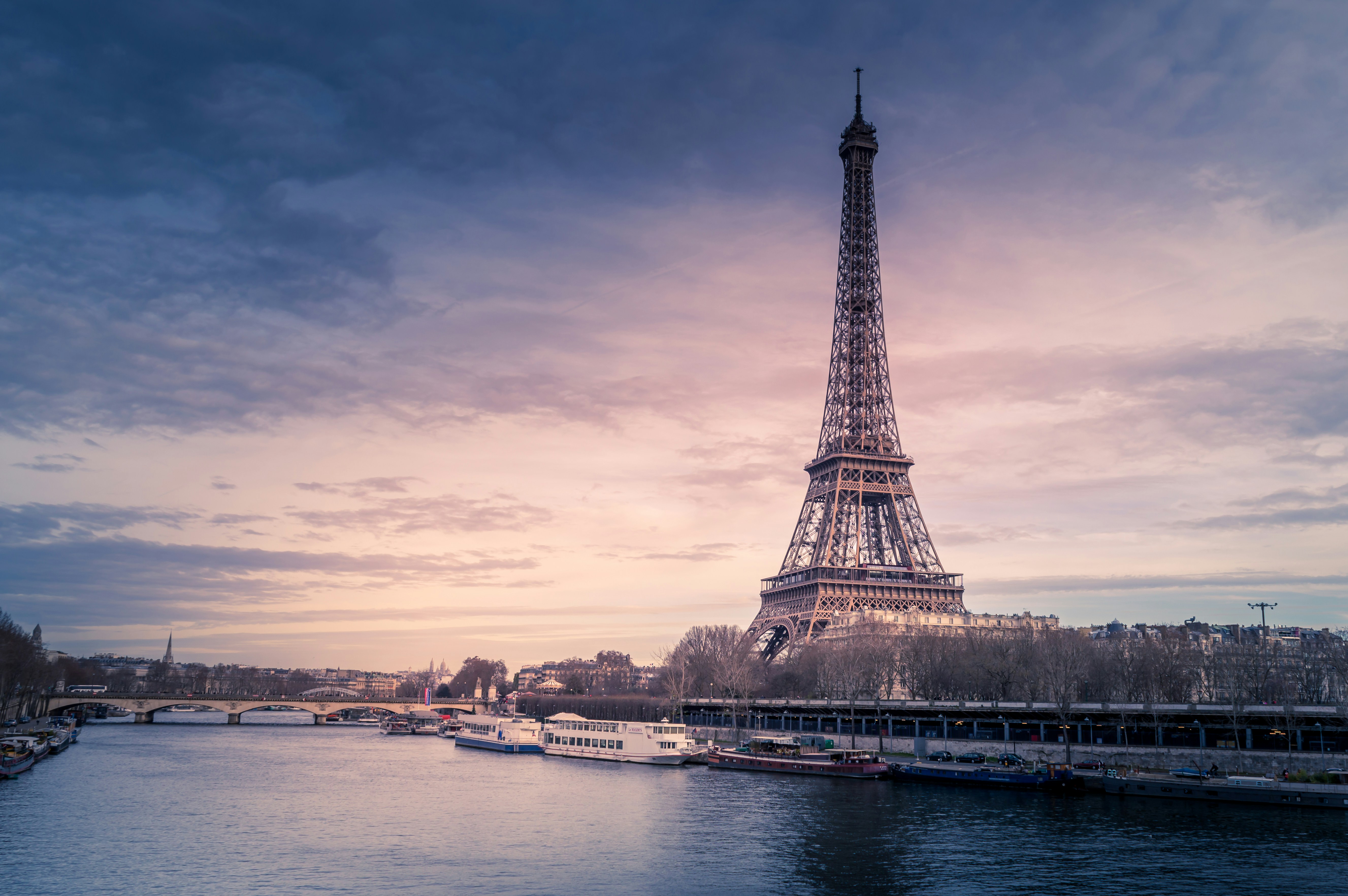
Paris, the capital, is France's principal cultural and tourism center. The city is known for the Eiffel Tower, the Louvre Museum, Notre-Dame Cathedral, the Arc de Triomphe, Champs-Élysées, Montmartre, the Seine River, Musée d'Orsay, Luxembourg Gardens, and numerous historic neighborhoods. Paris is also internationally recognized for fashion, cafés, pâtisseries, haute cuisine, architecture, and art.
The French Riviera, or Côte d'Azur, stretches along the Mediterranean coast and is famous for its sunny climate, beaches, luxury resorts, historic towns, and scenic coastline. Nice is the region's major city and provides access to destinations such as Cannes, Antibes, Menton, Saint-Paul-de-Vence, and Monaco. The region combines Mediterranean scenery with art, architecture, cuisine, and a strong resort culture.
The Loire Valley is renowned for its spectacular Renaissance and medieval châteaux. Château de Chambord, Château de Chenonceau, Château de Villandry, and Château de Blois are among the region's best-known attractions. The area is also famous for gardens, vineyards, historic towns, cycling routes, and picturesque countryside.
The French Alps offer some of Europe's most spectacular mountain scenery. Destinations such as Chamonix, Annecy, Grenoble, and the areas surrounding Mont Blanc attract visitors throughout the year. Winter brings skiing and snowboarding, while summer is ideal for hiking, cycling, climbing, paragliding, and exploring alpine villages and lakes.
Food is an essential part of French culture. Regional cuisine varies considerably across the country. Visitors can enjoy classics such as croissants, baguettes, crêpes, cheeses, escargots, coq au vin, beef bourguignon, ratatouille, quiche Lorraine, bouillabaisse, macarons, and a wide range of pastries and desserts. France is also one of the world's most important wine-producing countries, with famous regions including Bordeaux, Burgundy, Champagne, the Rhône Valley, Alsace, Loire Valley, and Provence.
France has an extraordinary artistic heritage. The Louvre in Paris houses one of the world's largest and most important art collections. Musée d'Orsay is particularly renowned for Impressionist and Post-Impressionist works, while the Centre Pompidou focuses on modern and contemporary art. Outside Paris, visitors can explore museums, galleries, Roman monuments, medieval architecture, and cultural sites throughout the country.
Normandy offers a combination of dramatic coastline, medieval heritage, culinary traditions, and important World War II history. Mont-Saint-Michel is one of France's most recognizable landmarks, while the Normandy landing beaches provide an important historical experience. The region is also associated with cider, Camembert cheese, seafood, and picturesque countryside.
Provence is known for its Mediterranean atmosphere, historic villages, vineyards, olive groves, lavender fields, and colorful markets. Destinations such as Avignon, Aix-en-Provence, Arles, and the Luberon showcase the region's architecture, art, food, and landscapes. Lavender typically reaches peak bloom during the summer months, depending on location and weather.
April through June is an excellent period for exploring France, with generally pleasant temperatures, flowering gardens, and longer daylight hours. September and October are also highly recommended because temperatures are often comfortable and major tourist areas can be less crowded than during peak summer.
July and August are the traditional European summer holiday period. Coastal destinations and major attractions can become very busy, while temperatures may be high in cities and southern regions. Winter is quieter in many areas and is particularly attractive for Christmas markets, skiing in the Alps and Pyrenees, and experiencing Paris and other cities with fewer tourists.
France has an extensive transportation network. High-speed TGV trains connect Paris with many major cities and regions, making rail travel an efficient way to explore the country. Paris has an extensive metro and suburban rail network, while regional trains and buses connect smaller destinations. Renting a car can be particularly useful for exploring rural Provence, wine regions, the Loire Valley, Normandy, and mountain areas where public transportation may be less frequent.
France is suitable for almost every style of traveler. Couples can explore romantic cities and countryside, families can visit castles and museums, food enthusiasts can build itineraries around regional cuisine, and outdoor travelers can explore the Alps, Pyrenees, Atlantic coast, and Mediterranean landscapes. Art lovers can spend weeks exploring museums and historic sites, while wine enthusiasts can visit renowned vineyards and wine-producing regions.
Travelers should also explore beyond Paris when possible. France's regions have distinct identities, cuisines, landscapes, architecture, and traditions. A journey combining Paris with one or two regions can provide a more complete understanding of the country than focusing exclusively on the capital.
Learning a few basic French expressions such as bonjour, merci, and s'il vous plaît is appreciated when interacting with locals. Reservations are recommended for popular museums, major attractions, high-speed trains, and sought-after restaurants during peak travel periods. Travelers should also consider regional weather because conditions can differ significantly between northern France, the Mediterranean coast, and the Alps.
France's combination of historic cities, artistic treasures, culinary excellence, spectacular landscapes, and regional diversity makes it a destination that can be visited repeatedly while offering a different experience each time.

Iconic iron lattice tower.